
Solar Engineering Design Services:
What Full-Scope PE Engineering Covers for Commercial and Utility-Scale Projects
Solar engineering design is not a single deliverable. It is a sequence of technical disciplines covering structural, electrical, interconnection, and permit engineering that have to work together for a project to permit cleanly, interconnect on schedule, and perform at design assumptions over its operating life.
At Barun Corp, solar engineering design services cover the full scope. This is what that means in practice.
What Do Solar Engineering Design Services Cover?
What Does Structural Engineering Cover in Solar Design?
Every solar project that attaches to a building or installs a ground-mounted structure requires structural engineering.
- Dead load calculations, wind uplift per ASCE 7, and attachment spacing for rooftop systems
- Foundation design, column sizing, and connection details for ground mounts and carport structures
- Stamped structural drawings reviewed by the building department before permit issuance
What Does Electrical Engineering Include for Solar Projects?
The electrical engineering scope covers the full system from source circuits to utility interconnection point.
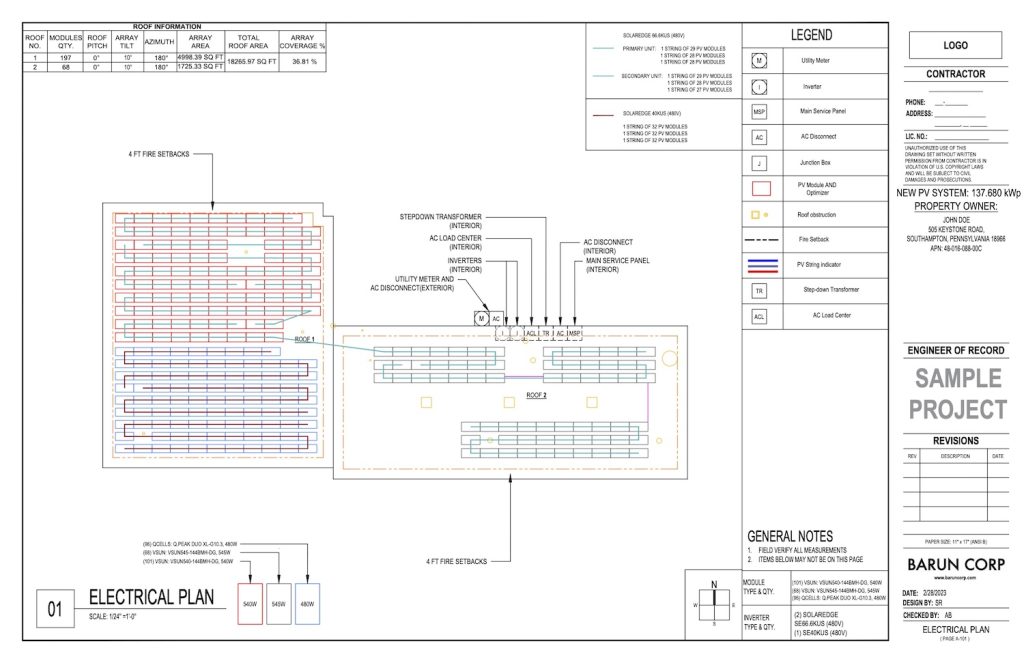
- Single-line diagram development, load calculations, and overcurrent protection sizing
- Grounding design and NEC Article 690 compliance
- Inverter configuration and protection coordination
- Every electrical sheet stamped by a licensed electrical PE
What Does Interconnection Engineering Cover?
Commercial solar projects require utility interconnection applications that accurately document system design and inverter specifications.
- Interconnection applications scoped to the specific utility's technical requirements
- Engineering quality of the application directly affects utility processing time and queue position
What's Included in a Solar Permit Set?
The complete permit package submitted to the AHJ includes:
- Stamped structural and electrical drawings as applicable
- Site plan, equipment specifications, and labeling requirements
- Interconnection documentation scoped to the AHJ and utility
What Does Feasibility and System Design Analysis Cover?
Pre-development engineering analysis determines whether a project is viable before capital is committed.
- Structural constraints and interconnection limitations identified early
- Code compliance issues addressed in the development phase when they are least expensive to resolve
Nationwide Solar Engineering Design
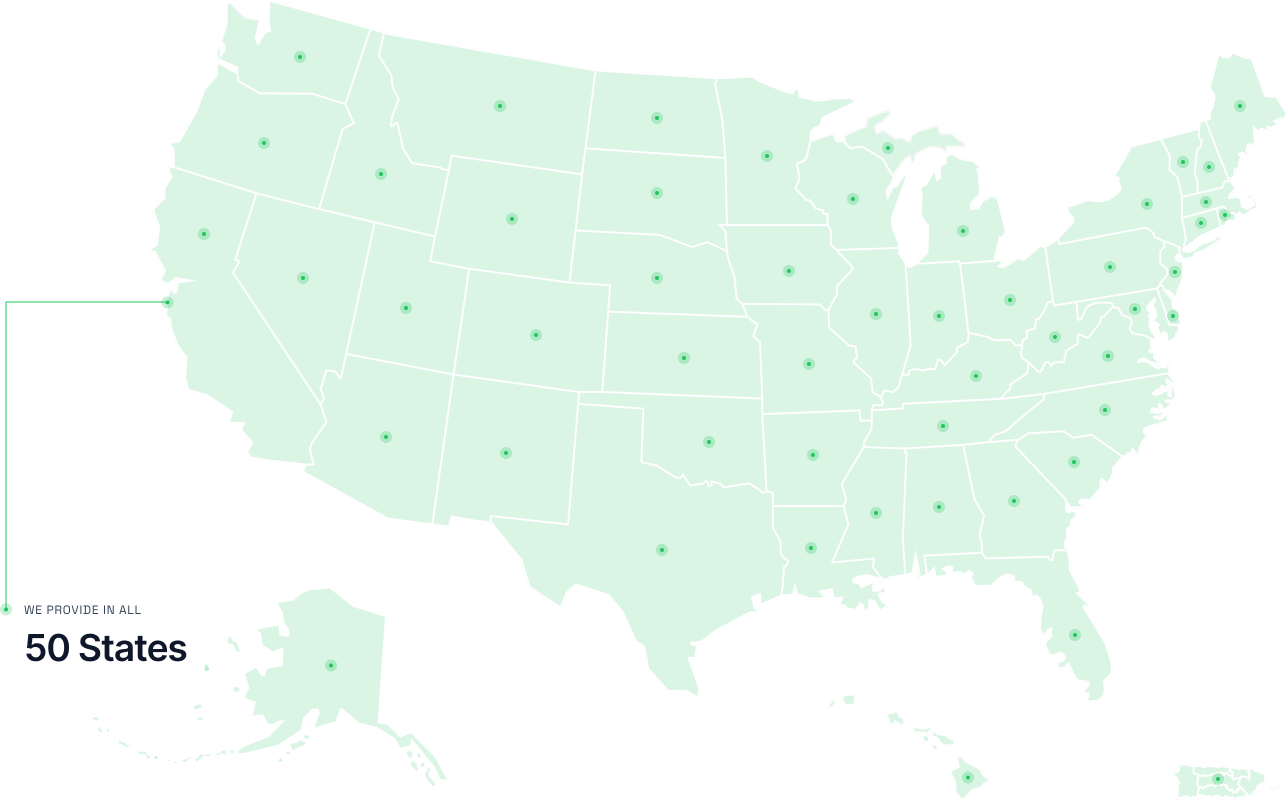
Barun Corp provides sealed engineering in all 50 states, primarily through our in-house PE team, with external licensed engineers supporting certain states.
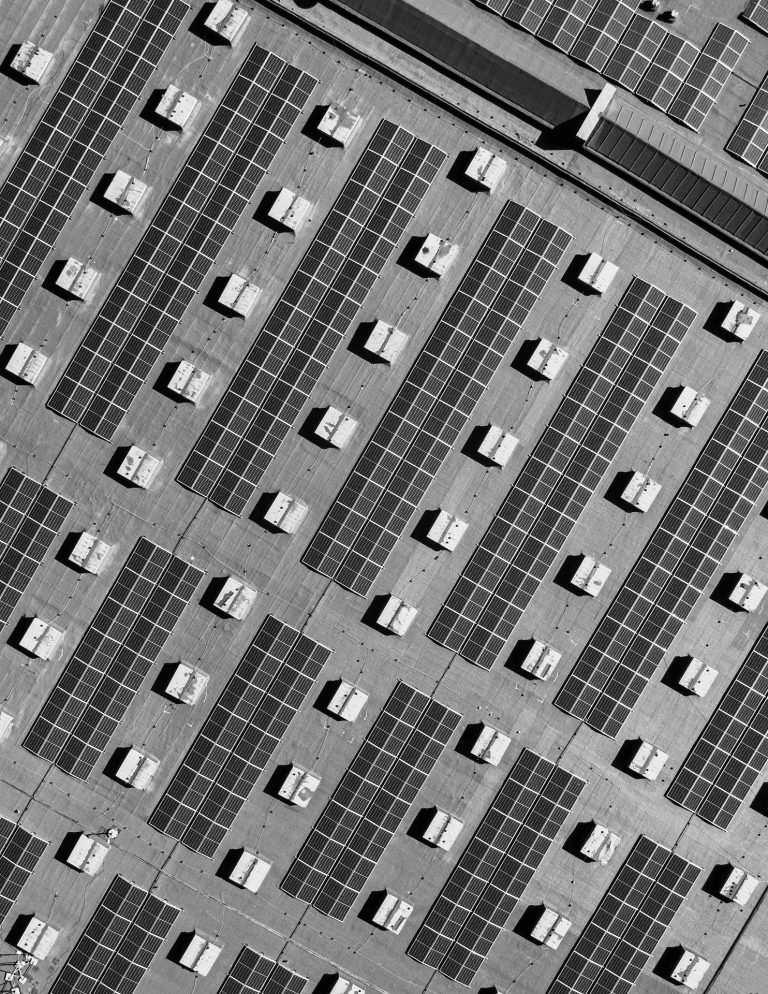
California, 14 kW Risk Category III Educational Facility
Structural review identified a non-standard gap between the roof surface and the supporting structural element. Standard racking attachment methods could not establish a compliant seismic load path under ASCE 7. AHJ required project-specific calculations before approving the plan set.
- Site-specific structural calculations and custom connection details developed
- Direct coordination with AHJ resolved code interpretation questions before resubmittal
- Revised structural package aligned with interconnection application already on file, protecting queue position
- Read the full case study on Solar Power World
Why PE Licensure Matters for Solar Engineering Design
Solar engineering design services range from software-generated permit packages to full PE-stamped engineering. The difference matters when a project hits an AHJ correction, a utility question, or a lender’s technical due diligence review.
A PE-stamped engineering package is signed by a licensed engineer who takes professional responsibility for the design.
When the AHJ questions a structural calculation or the utility challenges an interconnection application, the PE responds and defends the engineering. A software-generated package or a non-stamped permit service has no engineer of record. The installer absorbs the correction cost and schedule delay.
For commercial solar developers, EPCs, and installers managing project portfolios, the engineering partner’s PE licensure and technical depth directly affect project success rates, permitting timelines, and financing outcomes.
Get Your Solar Engineering Design Started
Barun Corp provides full-scope solar engineering design services for commercial solar projects across all 50 states. Structural, electrical, PE stamping, permit sets, and interconnection engineering support.
Contact our engineering team to discuss your project requirements or request a quote for solar engineering design services.
Frequently Asked Questions
What is included in solar engineering design services?
Solar engineering design services cover structural analysis and PE-stamped drawings, electrical design including single-line diagrams and NEC Article 690 compliance, permit set preparation, utility interconnection documentation, and feasibility engineering.
Do solar engineering design services require a licensed PE?
Most AHJs require PE-stamped structural and electrical drawings for commercial solar projects. A licensed structural PE stamps drawings after performing load analysis and verifying code compliance. A licensed electrical PE stamps the SLD after reviewing circuit sizing, grounding, and NEC compliance. Engineering design services that do not employ licensed PEs cannot produce stamped drawings that satisfy AHJ review.
How long does solar engineering design take?
Timeline depends on system size, project complexity, and jurisdiction. Standard commercial rooftop engineering packages are typically delivered within 3-5 business days. Ground mount and carport structures with full foundation design require additional scope and time.
Why does multi-state solar engineering require separate PE licenses?
PE licenses are state-specific. An engineer licensed in California cannot stamp drawings for an Illinois project. Multi-state solar developers and EPCs need an engineering partner with PE licensure in every state where they install. Barun Corp provides sealed engineering in all 50 states, primarily through its in-house PE team, with external licensed engineers supporting certain states, so clients work with one firm across every jurisdiction.