BESS Interconnection:
PE-Sealed SLDs and Site Plans for Battery Storage
Barun Corp prepares single-line diagrams and site plans for commercial BESS interconnection applications. PE-sealed, nationwide licensure.
What Is BESS Interconnection?
An interconnection application built around an inaccurate single-line diagram is one of the more common reasons a utility sends a BESS project back for revision.
Barun Corp prepares the PE-sealed single-line diagram and site plan for commercial BESS interconnection applications, the same way Barun does for solar.
What Does Barun Prepare for a BESS Interconnection Application?
- Single-line diagram (SLD) showing the battery system, point of interconnection (POI), and protection scheme
- Site plan documenting equipment layout, switchgear, and transformer locations
- Load calculations and feeder sizing supporting the interconnection documentation
- Protection coordination details, including anti-islanding and overcurrent protection, when electrical engineering is in scope
The client or its EPC files the interconnection application and handles submission and processing with the utility. Barun’s scope is the PE-sealed engineering documents the application requires.
BESS Design Support: BMS/EMS Integration & Fire-Code Coordination
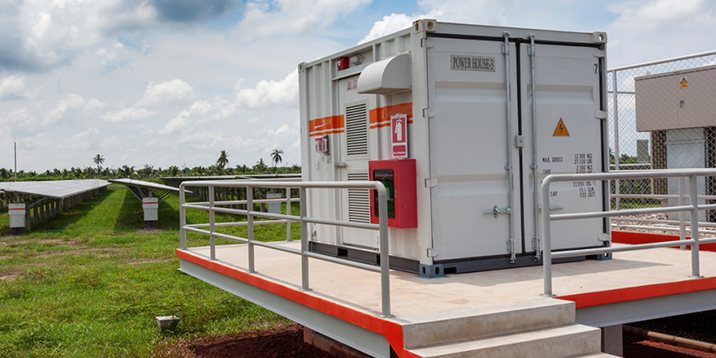
Barun provides engineering design support for advanced BESS configurations. We prepare layouts and integration details for Battery Management Systems (BMS), Energy Management Systems (EMS), and related protection and control requirements. Our team also supports UL 9540 / UL 9540A documentation review and NFPA 855 fire-code coordination, including separation-distance and thermal-runaway considerations, to help projects move through AHJ and utility review more efficiently.
Complete Project Engineering Support
Barun produces PE-sealed structural and electrical drawings for BESS. The client or EPC files the permit and interconnection application. Fire code documentation is prepared by a separate fire protection consultant.
Related scopes are available under separate engagements:
BESS Interconnection: PE-Sealed SLDs and Site Plans FAQ
What Is the Point of Interconnection (POI)?
The point of interconnection is the physical location where the battery system connects to the utility’s electrical system. Barun’s single-line diagram identifies the POI and the protection equipment at that connection, consistent with the utility’s technical requirements and IEEE 1547 where applicable.
Does BESS Interconnection Work the Same Way as Solar Interconnection?
Yes. Barun’s SLD and interconnection documentation scope extends to BESS the same way it does for solar. For co-located solar and BESS projects, this is typically a single combined interconnection package rather than two separate submissions, though separate packages are used when the client or AHJ prefers it.
How Long Does Grid Interconnection Take?
AHJ and utility review commonly range from roughly one to three months, separate from Barun’s design time. Interconnection timelines depend on the utility, the completeness of the application, and whether the project requires a feasibility or system impact study. Barun does not control or track the utility’s internal review timeline once the application is filed.
What Is the PG&E Rule 21 Interconnection Process?
Rule 21 is California’s interconnection standard for solar and storage systems on PG&E, SCE, and SDG&E. It sets requirements for the single-line diagram, meter configuration, and protection equipment in the interconnection packet. Barun prepares the SLD and site plan to Rule 21 and the serving utility’s requirements when the project is in California; the client or EPC files the application.
What's not in the scope?
Barun does not file or submit the interconnection application. Barun does not negotiate with the utility, track the application through the utility’s internal review process, or select interconnection equipment such as inverters, switchgear, or protection relays. Fire code documentation for the battery system, including NFPA 855, is a separate fire protection consultant’s scope.
Does Barun file the BESS interconnection application?
No. The client or its EPC files the application and handles submission and processing with the utility. Barun prepares the PE-sealed single-line diagram and site plan the application requires. Barun’s role ends once the sealed documents are delivered; the client’s or EPC’s team manages the utility relationship from there.
What is included in a BESS interconnection package?
A single-line diagram showing the battery system and point of interconnection, a site plan with equipment layout, and load calculations supporting the application. Protection coordination details, including anti-islanding and overcurrent protection settings, are included when electrical engineering is in scope. The specific documentation requirements vary by utility, so Barun scopes the package to the serving utility’s technical requirements rather than a fixed template.
Is BESS interconnection different from solar interconnection?
No. Barun’s interconnection documentation scope for BESS matches the scope for solar: a PE-sealed SLD and site plan prepared to the utility’s requirements. Co-located solar and BESS projects are typically combined into one interconnection package rather than filed separately, though separate packages are used when the client or AHJ prefers it.
How long does BESS interconnection review take?
AHJ and utility review commonly range from roughly one to three months, separate from Barun’s design time. Timelines depend on the utility, the completeness of the application, and whether a feasibility or system impact study is required. Incomplete or inconsistent documentation, such as an SLD that doesn’t match the site plan, is a common cause of review delays and resubmittal cycles.
Does Barun select the interconnection equipment, like switchgear or protection relays?
No. Barun’s electrical design specifies system requirements, such as protection settings and feeder sizing, but selecting the specific equipment, such as switchgear, protection relays, or inverters, is the client’s or EPC’s responsibility with the equipment vendor.
What is IEEE 1547 and does it apply to BESS interconnection?
IEEE 1547 is the national standard governing how distributed energy resources, including battery storage, connect to the electric grid. It covers technical requirements like voltage regulation, ride-through behavior, and anti-islanding protection. When a utility requires IEEE 1547 compliance, Barun’s single-line diagram and protection coordination documentation are prepared to reflect those requirements.
service area
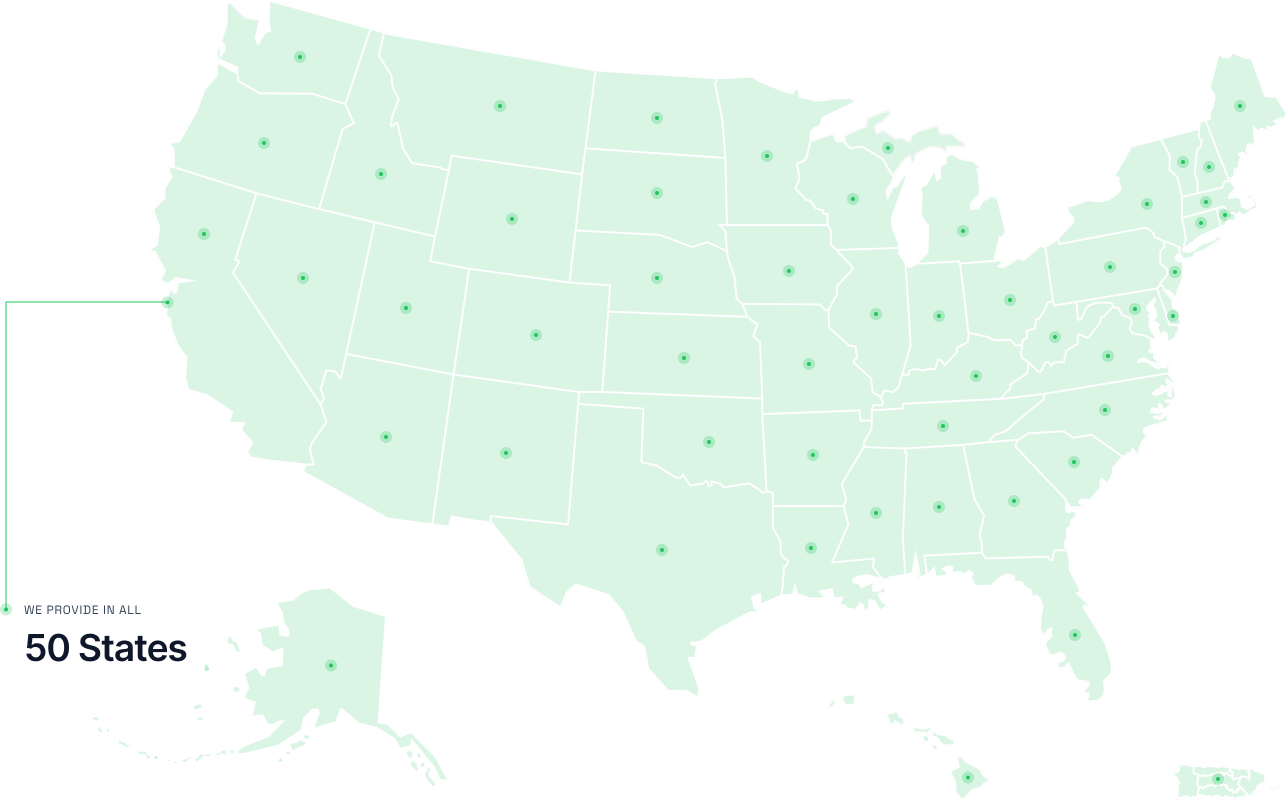
Nationwide PE Stamped
Solar Plans