Solar Interconnection:
What EPCs and Developers Need Before Submitting to Their Utility
At Barun Corp, we sit on the engineering side of the interconnection process — producing the documentation that makes a strong interconnection application possible. Queue management stays with the developer, EPC, or owner's representative.
What Is Solar Interconnection?
Solar interconnection is the formal process by which a solar power system is approved to connect to the electrical grid and begin generating electricity. Every solar installation — residential or commercial — must complete this process before the system can export solar electricity to the utility grid.
For residential solar systems, interconnection is typically straightforward. The utility reviews the application, confirms the system size does not exceed grid capacity at that feeder, and issues permission to operate.
For larger solar systems — commercial, industrial, or utility-scale — the utility interconnection process is significantly more complex. The electric utility may require a formal interconnection study before approving the application. That study determines what grid upgrades, if any, are required to safely connect the solar array to the electrical grid.
The Solar Interconnection Process
Interconnection application
The formal submission includes system design documentation, single-line diagrams, inverter specifications, and proposed point of interconnection. Every component of the solar energy system must be accurately documented. Errors or omissions trigger rejections that delay queue position.
Feasibility and system impact study
For larger solar projects, the utility conducts an initial feasibility review. If potential grid infrastructure issues are identified, a system impact study follows — analyzing how the solar power system affects grid stability, protection coordination, and power flow at the point of interconnection. Results determine whether grid upgrades are required and who pays for them.
Interconnection agreement
Once studies are complete and any required upgrades are scoped, the utility issues an interconnection agreement. The solar customer signs, upgrades are completed, and the utility issues permission to operate.
Why Engineering Quality Affects Interconnection Outcomes
For commercial solar projects where queue position represents real schedule risk, the engineering behind the application is not an administrative detail — it is a project management decision.
Pennsylvania, 11.34 kW Storage System (Met-Ed)
Repeated inverter faults during islanded operation traced to a geothermal heat pump without a soft starter. Motor inrush triggered inverter protection responses. Fix: isolating the unit from the backup panel. Found at commissioning — the most expensive point to address a design problem.
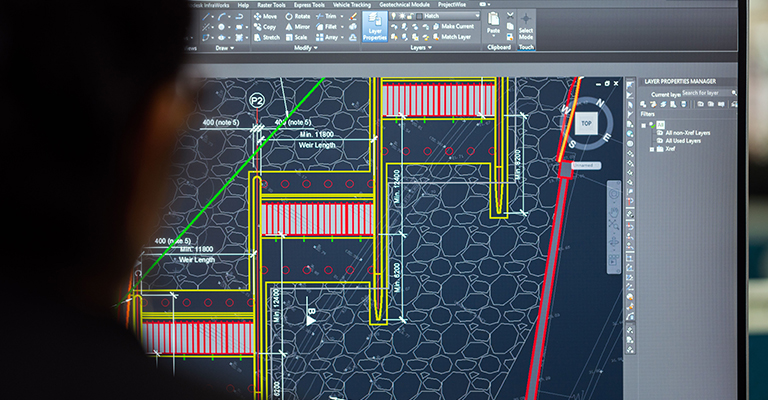
Single-line diagrams
Built to the utility's specific technical requirements, not a generic template.
System design documentation
Load calculations, conductor sizing, grounding design, and equipment specifications engineered to withstand utility review.
Protection coordination analysis
Where electrical engineering scope is included, documents how the solar array interacts with the utility's protection scheme.
Engineering support for study responses
PE-sealed documentation when a utility issues a system impact study or requests additional technical information.
Barun produces the engineering documentation EPCs and developers need for interconnection submissions. We do not manage the submission or the queue — but the quality of what we produce directly affects how quickly and cleanly the utility can process it.
Multi-Utility Interconnection Realities
- XCEL Energy (CO) — specific interconnection requirements for commercial solar
- ComEd (IL) — CEJA documentation requirements
- PSE&G (NJ) — specific plan set requirements
- PECO (PA) — separate interconnection rules from FirstEnergy territories
- California utilities under CPUC Rule 21 — different process from non-standardized states
For systems with battery storage, interconnection documentation must address export controls, inverter settings, and utility-specific requirements for grid-tied storage systems. Every engineering package Barun produces is scoped to the specific utility’s requirements — not a generic template.
Get Your Solar Interconnection Engineering Started
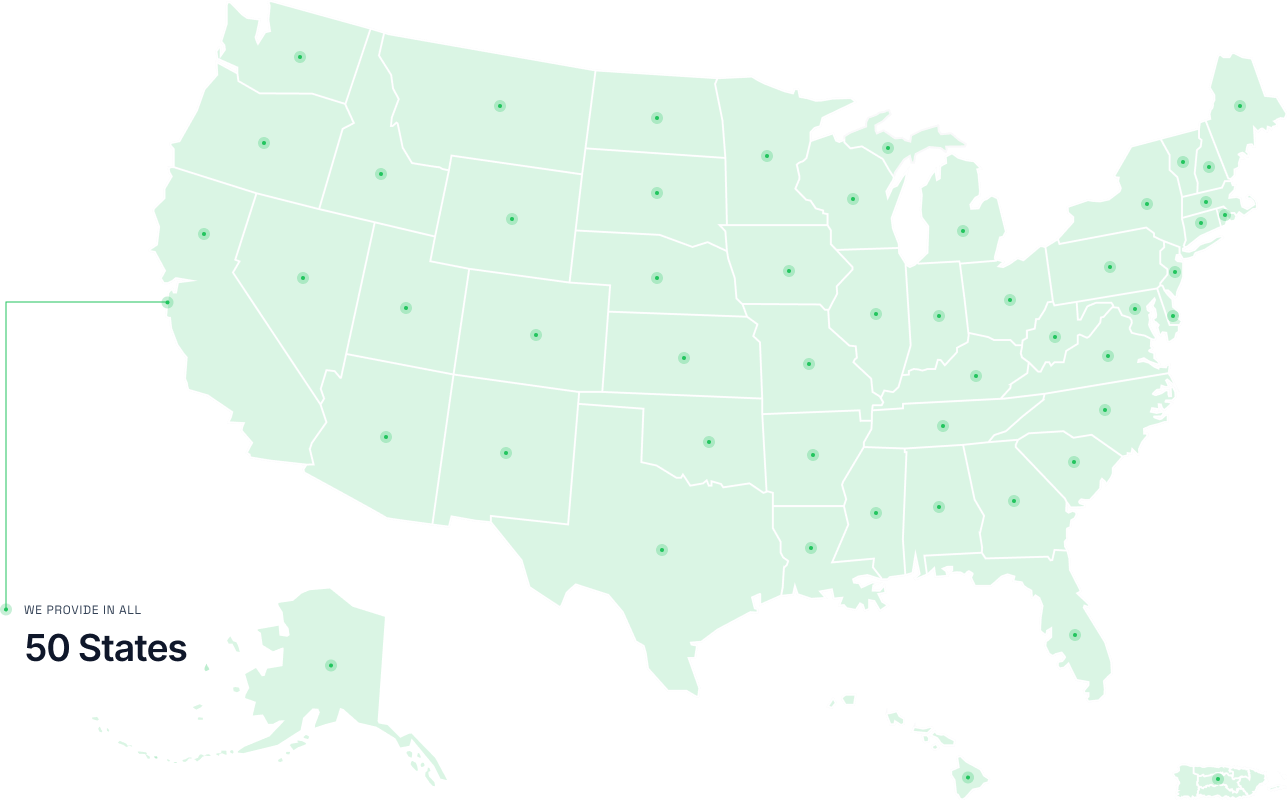
If your commercial solar project is approaching utility submission, the engineering documentation behind your interconnection application matters. Barun Corp produces interconnection-ready engineering packages for commercial and utility-scale solar projects across all 50 states.
Contact our team for interconnection engineering support or system impact study assistance.