
Solar Plansets:
PE Stamped, AHJ-Ready Designs Built for AHJ Compliance
Trusted by Industry Leaders
What Is a Solar Planset?
A solar planset — also called a permit plan set, solar permit drawings, or PV plan set — is the complete documentation design required by the AHJ to approve a solar installation. It tells the building department exactly what is being installed, where it is going, how it is attached, and how it connects to the electrical system and utility grid.
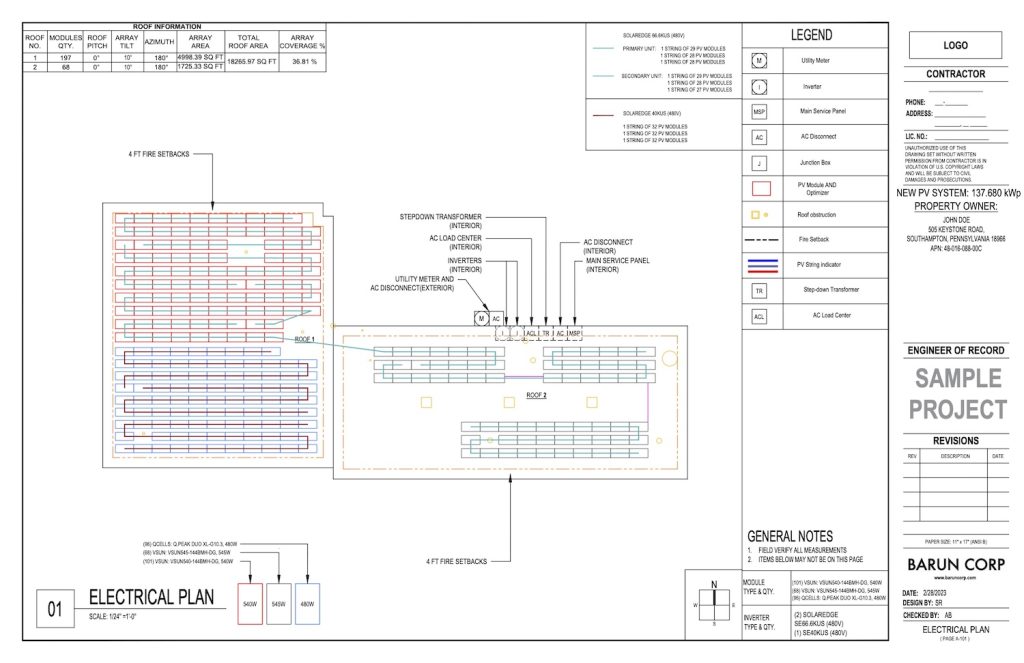
Site plan and roof plan
Single-line diagram and three-line diagram
The electrical schematic showing PV source circuits, inverters, disconnects, overcurrent protection, and utility interconnection. Must reflect NEC Article 690 requirements including conductor sizing, grounding, rapid shutdown compliance, and placard placement.
Structural details and engineer stamp
Load calculations
Spec sheets
Labels and placards
Energy storage systems
Why Plansets Get Rejected
Many jurisdictions don't publish solar-specific requirements online — what a reviewer expects isn't always findable in advance
ASCE wind load criteria, local code amendments, and NEC requirements update on rolling timelines that vary by jurisdiction
File formatting expectations — flattened plansets, bookmarks, grayscale — vary by AHJ and aren't always stated upfront
Structural calculations, engineering stamps, and specific detail sheets are required in some jurisdictions but not others

Residential vs. Commercial Solar Plansets
Residential solar
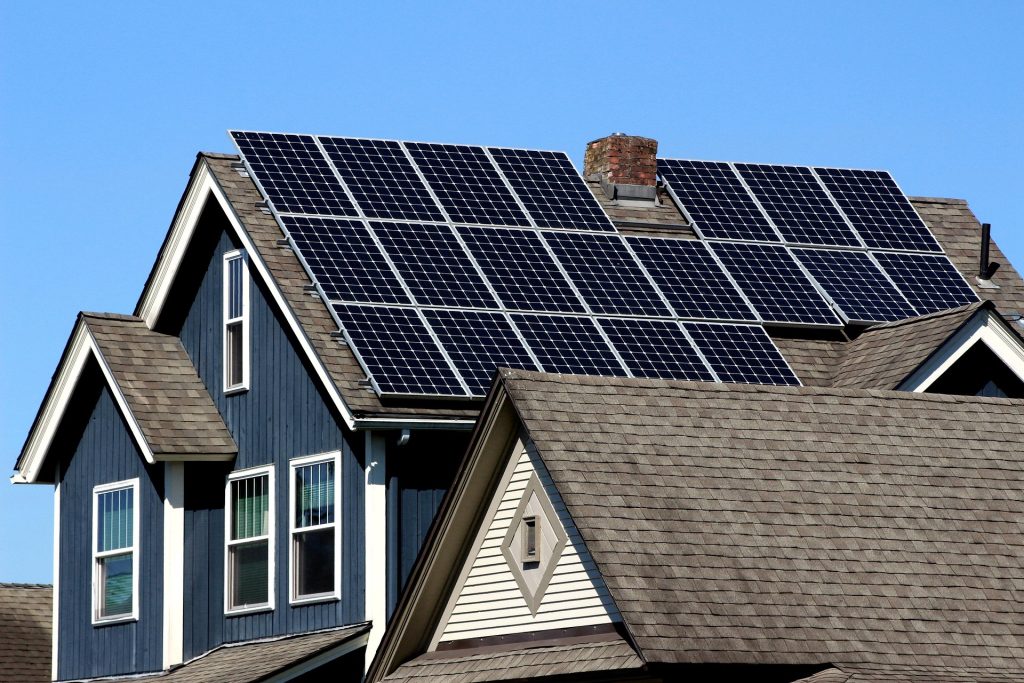
All solar design work is process-driven — but for residential projects, speed is the industry norm because the scope is typically straightforward: the structural analysis is usually a roof load letter, the SLD follows a standardized format, and most AHJs work from a checklist. Barun completes standard residential solar designs within 24 hours. Scope that extends to full design and engineering is completed within 48 hours.
Commercial solar
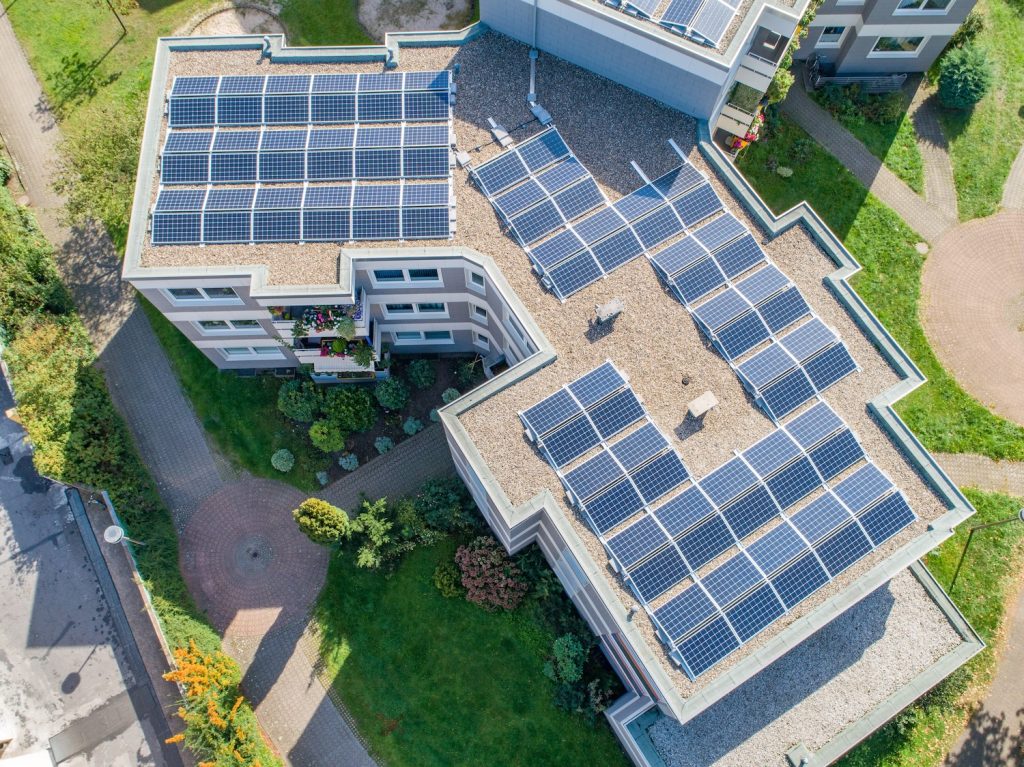
Commercial solar design is a different scope entirely. Systems above 100 kW vary in complexity and size, and often require PE-sealed structural and/or electrical engineering review — stamped structural drawings, plus protection coordination analysis and arc flash documentation where required by the AHJ or utility, and in some cases a medium voltage design deliverable if the solar system interconnects above the service entrance. Multi-tenant buildings, carport structures, and ground-mounted arrays each introduce structural complexity that a residential design template cannot address.
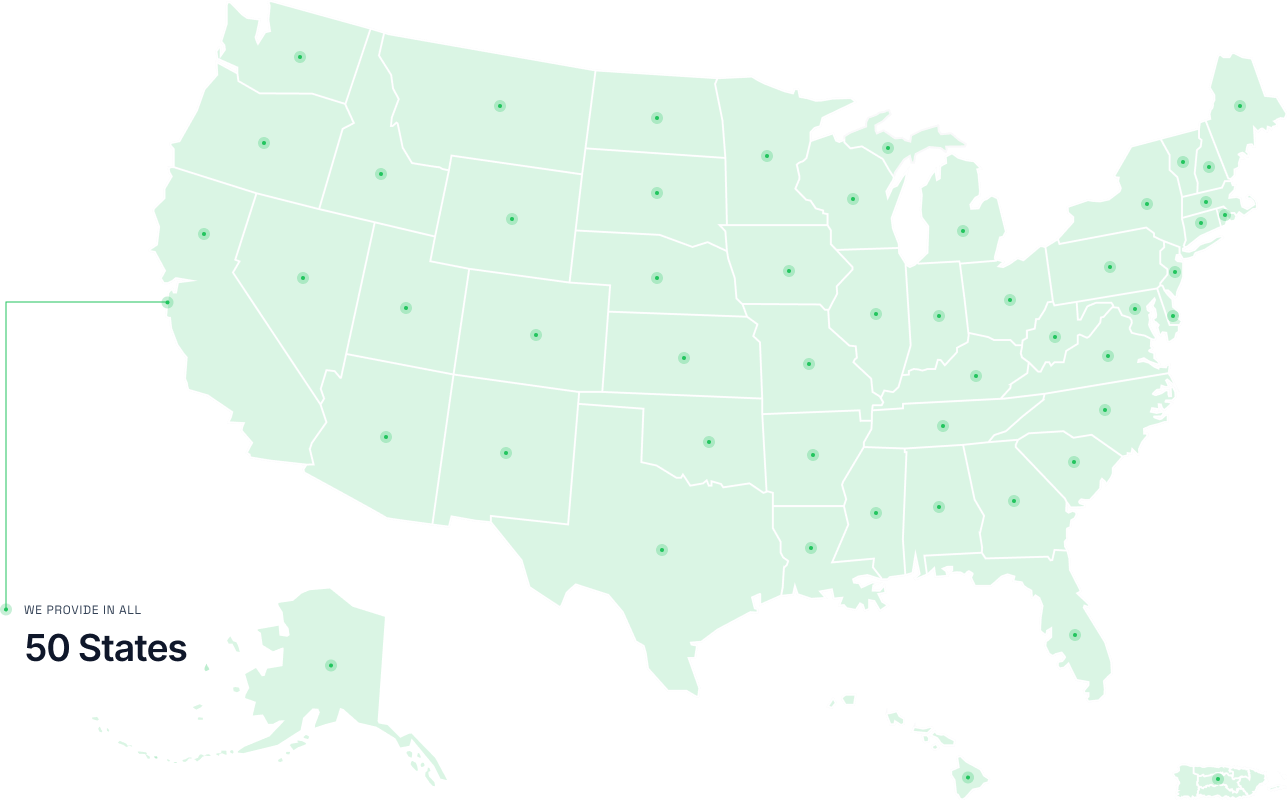
Barun Corp handles both residential and commercial solar across all 50 states with the full in-house structural and electrical engineering services required for complex C&I projects.
Why PE-Sealed Engineering Matters
When an AHJ flags a structural or electrical issue, a non-stamped design has no PE or Engineer of Record to defend it, revise it under seal, or take responsibility for it.
Some AHJs consistently demand more from plan sets:
City of Los Angeles
Strict fire safety requirements for battery storage projects. A non-compliant ESS installation carries real fire propagation risk.
Miami-Dade County
A High-Velocity Hurricane Zone requiring the highest structural attachment standards, specific sealants, and PV modules rated for extreme wind loads.
Portland, Oregon
Historic districts with older homes require detailed structural plans including side views and additional documentation before rooftop PV is approved.
California cities with local building departments
Local amendments beyond state code, longer review timelines, and inconsistent interpretation between plan reviewers make AHJ approval difficult even with full documentation.
Barun operates across all 50 states. We do not use one-size-fits-all solar plans. Every package is engineered for the specific project, jurisdiction, and utility.
Get Your Solar Planset Started
If your plansets are coming back with corrections, the problem is not the AHJ — it is either design or engineering. Barun Corp produces PE sealed solar plansets that are permit-ready, code-compliant, and built to satisfy the AHJ, the building department, and the utility requirements.
Contact our team for residential solar plansets or commercial PV plan set design services.