
Commercial Solar Panel Installation:
What the PE Engineering and Stamping Process Actually Looks Like
Every commercial solar installation starts the same way — a signed contract, a site, and a deadline. What happens between that contract and permission to operate is where projects succeed or fail. For most commercial installers and developers, the engineering and permitting process is the longest lead item on the schedule and the least understood.
At Barun Corp, we sit on the engineering side of every commercial solar installation we touch. This is what the PE engineering and stamping process actually looks like.
Why Commercial Solar Installation Is Different From Residential
A residential installation typically requires:
- Structural load or engineering letter
- Single-line diagram
- Basic permit package processed on a checklist
A commercial solar system above 100 kW requires:
- Stamped structural drawings
- Protection coordination and arc flash documentation where required by the AHJ or utility
- Medium voltage design where the system interconnects above the service entrance
Large-scale solar projects on commercial buildings, industrial facilities, and ground-mounted arrays introduce structural and electrical complexity that residential engineering templates cannot address. The engineering fees on a commercial and industrial solar project are not a line item to negotiate out — they are what keeps the project from failing AHJ review, losing interconnection queue position, or creating liability during construction.
The Engineering and Permitting Process
Structural engineering
Before a single panel goes on a roof, a licensed structural PE must verify the roof can handle the dead load of the array, wind uplift forces per ASCE 7, and snow loads for the jurisdiction. For ground mounts and carport structures, foundation design is part of the engineering scope. The stamped structural drawings and calculations are what the building department reviews before issuing a permit.
Electrical engineering and PE stamping
The single-line diagram, load calculations, overcurrent protection sizing, and NEC Article 690 compliance are all electrical engineering deliverables. For commercial solar systems, the SLD must reflect the full system design including inverter configuration, utility interconnection point, rapid shutdown compliance, and any solar battery or storage integration. Every sheet gets stamped by a licensed electrical PE.
Design and permitting
The permit package submitted to the AHJ includes stamped structural drawings, stamped electrical plans, site plan, equipment specifications, and interconnection documentation. A poorly assembled permit package — missing stamps, incorrect load calculations, mismatched spec sheets — gets rejected and requeued. Every rejection pushes the installation process back by weeks.
Utility interconnection
Commercial solar projects above a certain system size trigger a utility interconnection study. The utility reviews the system design, assesses grid impact, and determines whether grid upgrades are required. The engineering quality of the interconnection application directly affects how quickly the utility processes the study and whether the project retains its queue position.
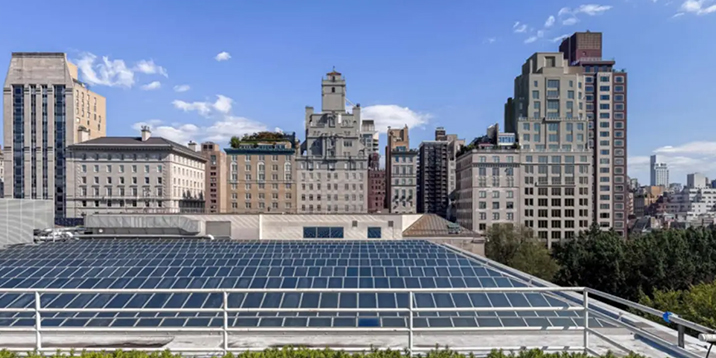
California School, 14 kW (Risk Category III)
Structural review identified an unconventional roof assembly condition creating challenges in establishing a clear load path between the solar attachment system and the building structure. AHJ required project-specific engineering analysis before approving the design.
- Custom attachments engineered
- Supporting calculations demonstrated compliance
- Overall project layout maintained
- Interconnection application was already on file when the structural issue surfaced
Early structural engineering prevented a queue position reset.
What PE Stamping Actually Covers
Commercial solar installers who use non-PE-sealed plansets or automated designs are passing risk to their clients. When a permit gets rejected or an interconnection application fails, the cost of correction comes out of the project budget and schedule.
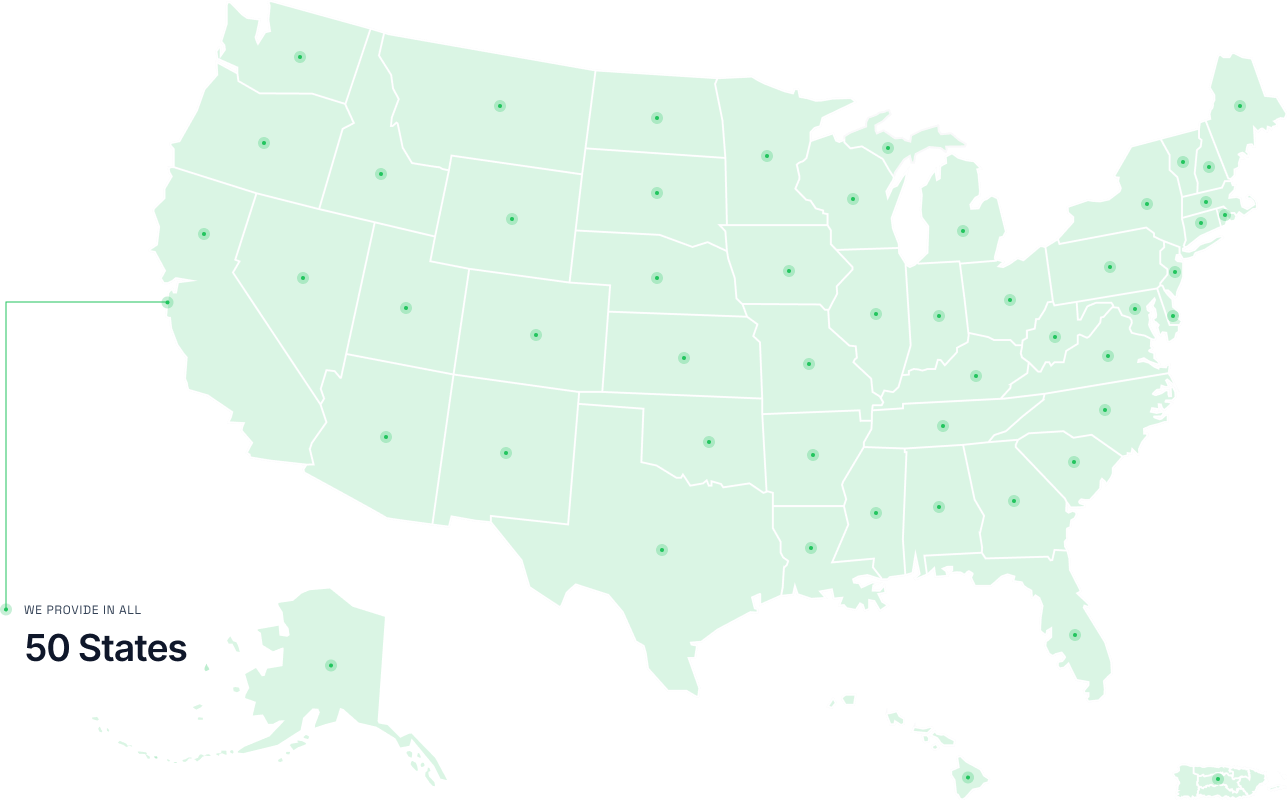
A permit package engineered for one state will fail in another. Barun produces PE stamped commercial solar engineering for projects across all 50 states:
California
Title 24 compliance on top of NEC Article 690
Florida
ASCE 7-22 wind load requirements
Illinois
CEJA interconnection documentation with ComEd or Ameren
New Jersey
NJBPU plan set requirements for TREC eligibility
Solar Financing and Federal Tax Credits
Get Your Commercial Solar Installation Engineering Started
If your commercial solar projects are hitting permitting delays, interconnection rejections, or AHJ corrections, the problem is almost always the engineering package. Barun Corp produces PE stamped structural and electrical engineering for commercial solar panel installations across all 50 states.
Contact our engineering team for a quote on commercial solar design and permitting services.
Frequently Asked Questions
What is included in a commercial solar panel installation engineering package?
A commercial solar engineering scope — sometimes called an engineering package — typically includes PE-stamped structural drawings with ASCE 7 load calculations, PE-stamped electrical plans with single-line diagrams and NEC Article 690 compliance, site plan and array layout, equipment spec sheets, interconnection documentation, and jurisdiction-specific labeling and placard requirements. Exact scope varies by project size, AHJ requirements, and system type — for systems with battery storage, NEC Article 706 and NFPA 855 compliance documentation is added.