
Solar Inspection Services:
What a PE Engineering Assessment Covers for Commercial and Residential Systems
At Barun Corp, solar inspection services are PE-sealed engineering assessments that confirm structural and electrical compliance, supported by site survey data where field verification is needed. We do not provide construction oversight or O&M field inspection services — our work supports the engineering and documentation requirements of the project.
What Barun's Solar Engineering Assessment Covers
Site survey and data collection
Field verification of existing site conditions, equipment locations, and structural or electrical details needed to support an accurate engineering assessment — not assumptions carried over from the original design.
As-built documentation review
Confirmation that the installed system matches permitted drawings. Where discrepancies exist, Barun produces corrected as-built drawings, stamped by a licensed PE.
PE-sealed engineering letters
For commercial solar installations, a post-installation engineering letter from a licensed PE is commonly required by AHJs and utilities before permission to operate is issued.
Structural compliance review
Verification that mounting systems, attachment points, and hardware comply with ASCE 7 load requirements, based on submitted documentation and site survey data — not just the original design assumptions.
Electrical documentation review
Review of PV source circuit documentation, overcurrent protection sizing, grounding, rapid shutdown compliance per NEC 690.12, and labeling per NEC 690.56(C), verified against permitted drawings and actual field conditions.
Site surveys are the foundation of accurate engineering deliverables. A Barun site survey typically covers:
Roof and mounting conditions
Roof type, age, framing, mounting hardware, attachment points, roof penetrations, and flashing conditions. This data drives structural load calculations and confirms the mounting system is appropriate for the site.
Electrical system documentation
Existing panel capacity, service entrance details, wiring configurations, and interconnection point verification. Wiring issues and electrical connections are documented against the permitted SLD.
Shading and site conditions
Shading sources — trees, adjacent structures, rooftop equipment — that affect solar energy production. Shading factors are incorporated into system design assumptions and production modeling.
Equipment verification
Inverter model, monitoring system configuration, and module layout verified against permitted documentation. Ensures the engineering package accurately reflects installed conditions.
Production data review
For existing solar installations, available production data is reviewed against expected output. Reduced energy output relative to design assumptions can indicate installation deficiencies or shading issues requiring engineering review.
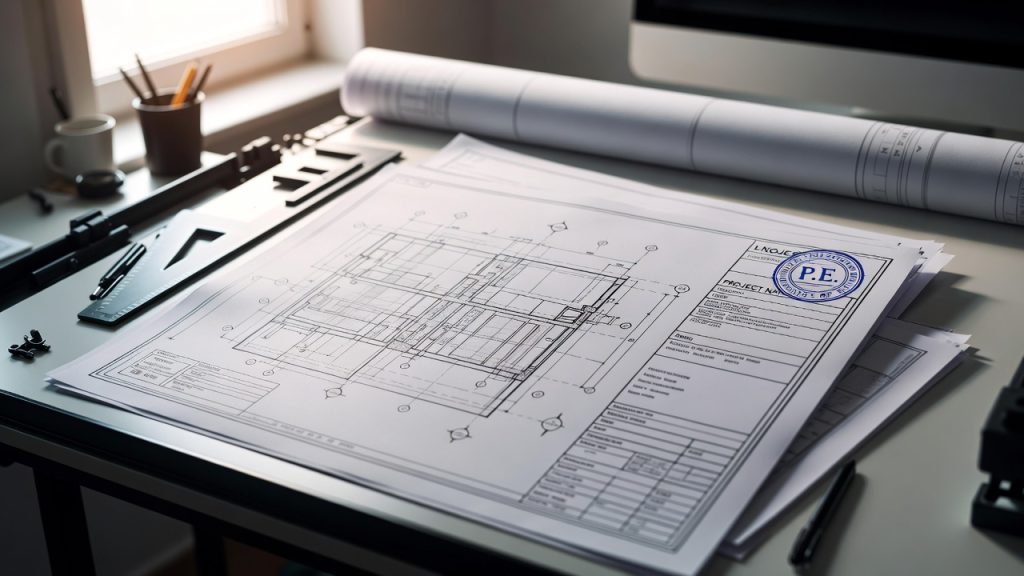
This field data gives Barun's engineering team a complete picture of the system's health and site conditions — so every stamped deliverable reflects actual conditions rather than design assumptions.
Pre-Installation and Post-Installation Engineering Support
Pre-installation site surveys identify structural or electrical issues before installation begins. A roof load assessment that identifies an undersized structural member before mounting hardware is installed costs a fraction of what a post-installation correction requires.
Pennsylvania, 11.34 kW Storage System
Multi-State Engineering Assessment Requirements
A developer managing solar installations across Illinois, California, New Jersey, and Florida is subject to four different sets of jurisdiction-specific requirements. California Title 24 compliance, Florida wind load verification under ASCE 7-22, Illinois CEJA documentation, and New Jersey NJBPU interconnection requirements each add scope to what a compliant engineering assessment must address.
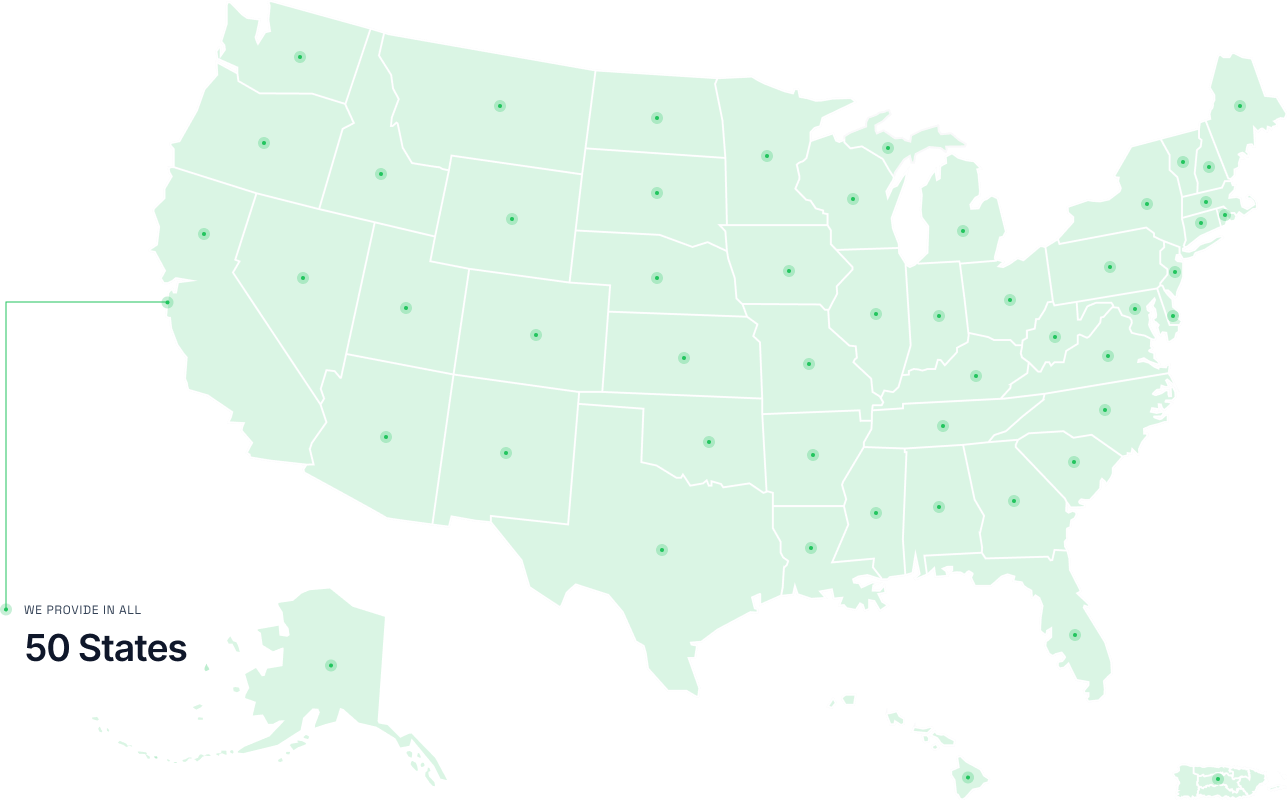
Barun produces PE-sealed engineering documentation for solar systems across all 50 states — structural and electrical compliance reviews, as-built packages, and post-installation engineering letters scoped to the specific jurisdiction, AHJ, and utility.
Frequently Asked Questions
What does "solar inspection" mean?
Does Barun perform physical field inspections?
When does a commercial solar system require a PE stamped engineering letter?
Most AHJs require a PE stamped post-installation letter or as-built package before issuing permission to operate. Utilities processing interconnection applications frequently require engineering documentation confirming the installed system matches the permitted design.
What triggers a post-installation engineering assessment?
What is included in a solar as-built package?
How does engineering assessment scope differ between residential and commercial systems?
Residential assessments focus on structural attachment compliance, SLD accuracy, NEC 690 adherence, and as-built documentation. Commercial assessments add protection coordination review where electrical engineering is in scope, medium voltage documentation where applicable, multi-state code compliance, and portfolio-level reporting.
Get Your Solar Engineering Assessment Started
If your system is approaching utility interconnection, requires as-built documentation, or needs PE stamped engineering deliverables for AHJ review or lender due diligence, Barun Corp provides solar engineering assessment services for commercial and residential systems across all 50 states.
Contact our engineering team to scope a site survey or request PE stamped documentation for your solar project.