
What Is BESS?
Commercial Battery Storage Engineering Explained
BESS stands for Battery Energy Storage System. On this page, BESS refers to commercial and industrial battery storage, standalone or co-located with solar.
Barun Corp provides PE-sealed structural and electrical engineering for commercial BESS projects, standalone or co-located with solar.
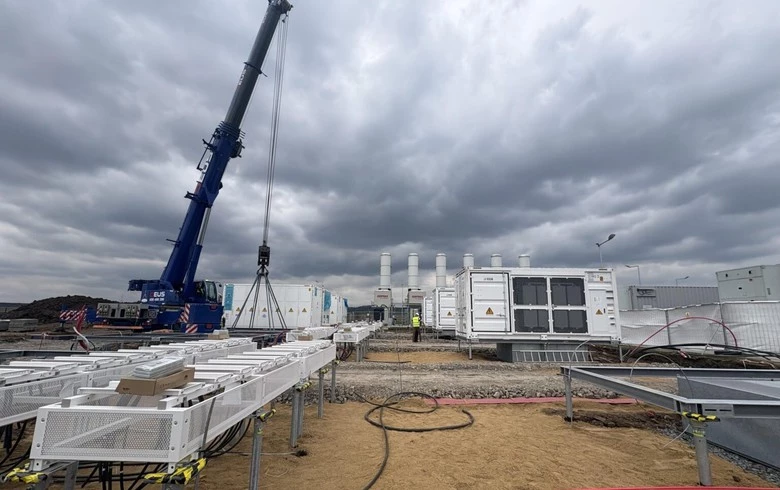
What Does Barun's BESS Engineering Scope Cover?
- Structural design for battery enclosures, pads, and mounting per ASCE 7-22
- Electrical single-line diagrams, feeder sizing, and load calculations per NEC Article 706
- Site plan and equipment layout for the PE-sealed permit set
- Structural and electrical integration when battery storage is co-located with an existing or planned solar system
Fire code documentation, including NFPA 855 compliance, is a separate fire protection consultant’s scope. Barun’s PE-sealed drawings cover structural and electrical design, not the fire code package.
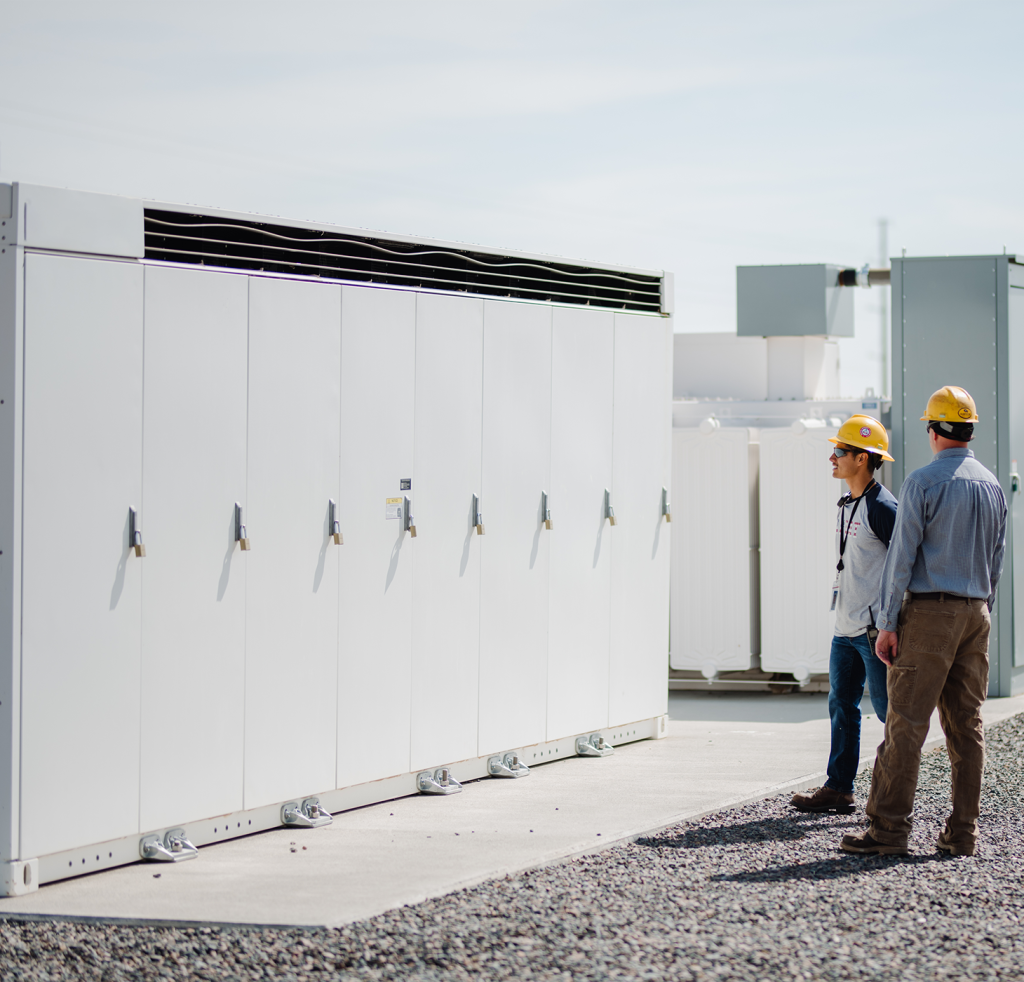
What Are the Downsides of Battery Storage Facilities?
Battery storage facilities face real siting and permitting considerations that a project team should plan for early:
- Fire code review under NFPA 855 is a separate, sometimes lengthy approval process in jurisdictions with dedicated BESS plan checks
- Some AHJs and communities raise concerns about fire risk or land use for standalone storage sites
- Structural and electrical design has to account for spacing, access, and ventilation requirements the fire code imposes
What Is NFPA 855 and Why Does It Matter for BESS Projects?
NFPA 855 governs fire protection requirements for stationary battery storage systems, including spacing, suppression, and ventilation. It is a separate engineering discipline from structural and electrical design, and is prepared by a fire protection consultant, not by Barun.
Fire risk is a real factor in BESS project planning. Lithium-ion batteries can enter thermal runaway under specific fault or damage conditions, which is why fire protection engineering exists as its own discipline separate from structural and electrical design. Some jurisdictions, including the City of Los Angeles, require a dedicated NFPA 855 plan check submitted separately from the structural and electrical permit set.
What Barun Delivers vs.
What Stays with the Client, Contractor, or Fire Consultant
| Scope Item | Who Handles It |
|---|---|
| Structural and electrical design, PE-sealed | Barun |
| Site plan and equipment layout | Barun |
| Fire code documentation (NFPA 855) | Fire protection consultant |
| Physical installation and commissioning | Contractor |
| Permit and interconnection application filing | Client or EPC |
| Battery equipment selection | Client or equipment vendor |
| Incentive and tax credit filings | Client's tax or financial advisor |
How Long Do Commercial Battery Storage Systems Last?
Battery lifespan depends on chemistry, duty cycle, and manufacturer specifications. Barun accounts for the expected operating life in structural and electrical design assumptions, particularly enclosure and connection specifications. Barun does not select battery equipment and defers manufacturer-specific lifespan claims to the equipment vendor.
Battery Storage Facilities Frequently Asked Questions
What does BESS stand for?
Battery Energy Storage System. On this page, BESS refers to commercial and industrial battery storage, standalone or co-located with solar.
Does Barun handle NFPA 855 fire code compliance for battery storage?
No. That documentation is prepared by a separate fire protection consultant. Barun’s stamp covers structural and electrical design of the BESS.
What are the downsides of battery storage facilities?
The main planning considerations are fire code review (NFPA 855), which can be a separate and sometimes lengthy approval process, and site-specific spacing, access, and ventilation requirements. These are addressed through early engineering coordination, not reasons to avoid battery storage.
Can battery storage be added to an existing solar system?
Yes, when that scope is in the engagement. Barun reviews the existing solar system’s documentation and designs the structural and electrical integration for the added battery system.
Who files the permit and interconnection application for a BESS project?
The client or its EPC. Barun’s scope is design and engineering only.
For the step-by-step commercial battery storage installation process, see our Commercial Solar Battery Storage guide.