
California Solar Permits:
2027 Requirements and Process
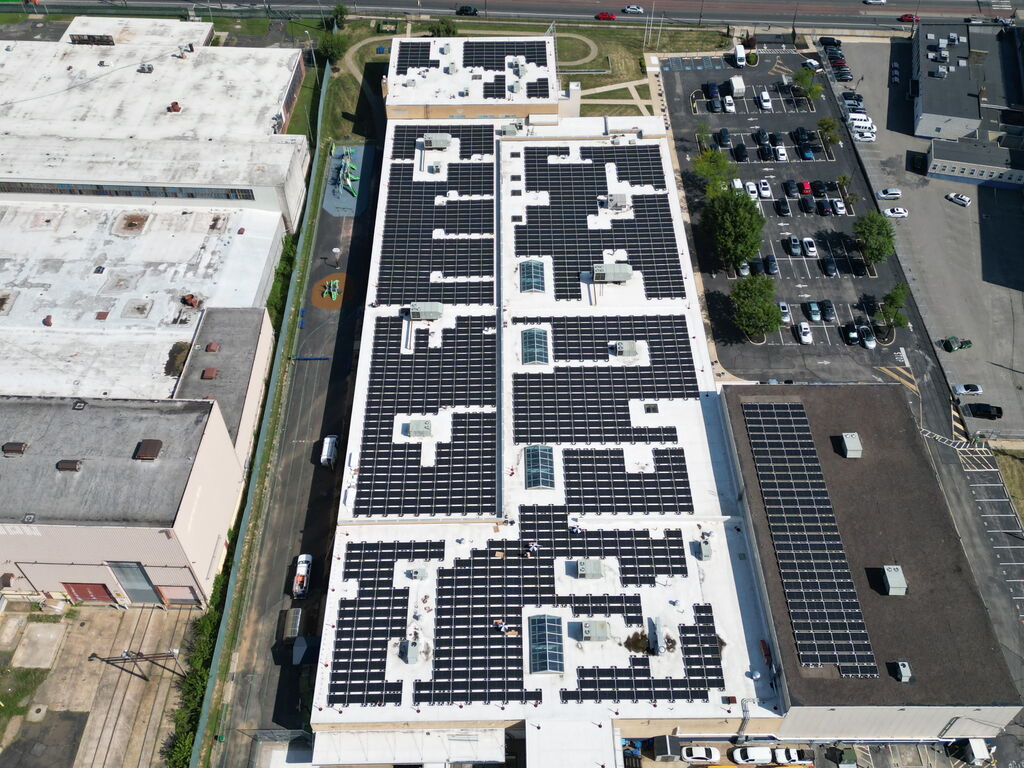
California’s solar permitting environment is more complex than most states. Over 500 jurisdictions, each with its own plan check requirements, building officials, and code interpretations, sit on top of state law, Title 24, CPUC Rule 21 interconnection, and NEM 3.0 system design requirements.
Barun Corp produces PE-sealed solar designs and drawings for residential and commercial solar installations across California. Every stamped deliverable is sealed by an in-house licensed PE. Permit and interconnection applications are filed by the client or its EPC.
At Barun Corp, we sit on the engineering side of every commercial solar installation we touch. This is what the PE engineering and stamping process actually looks like.
AB 2188, SolarAPP+, and the California Solar Permitting Guidebook
AB 2188 covers eligible residential solar energy systems up to 38.4 kW. SolarAPP+ and similar platforms may issue an electronic permit without manual plan review when the system qualifies. Standard plan review applies to:
- Commercial solar installations
- Energy storage systems and BESS co-located with solar
- Systems above 38.4 kW
- Cities or counties that have not adopted a compliant automated permitting platform
- Installations that need an electrical permit for a panel upgrade
The Governor’s Office of Planning and Research publishes the California Solar Permitting Guidebook for installers and building officials. For battery storage, the California Energy Commission publishes the California Energy Storage Permitting Guidebook for behind-the-meter ESS under the 2025 California Building Standards Code.
How Barun Supports California Solar Permits
Barun’s California scope is design, calculations, and PE-sealed drawings. The client or EPC files the permit and the interconnection application.
- Structural analysis per ASCE 7-22 and Title 24 structural and seismic provisions, including solar mounting. Standard on California projects
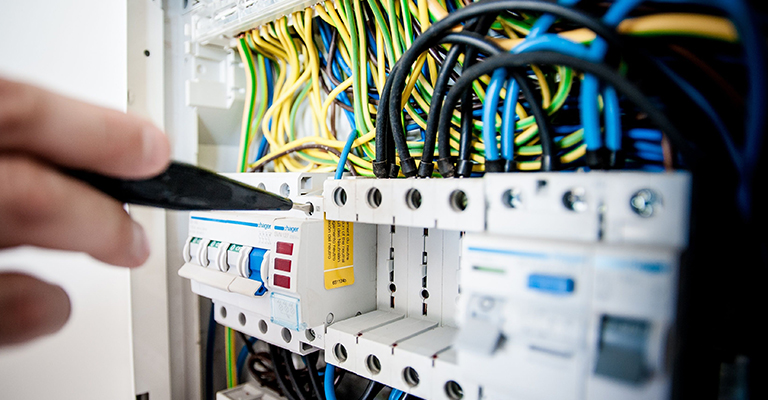
- Single-line diagrams to Rule 21 and serving-utility requirements when electrical engineering is in scope
- Title 24 energy compliance coordination is not included. That documentation is the energy consultant or installer
- NEM 3.0 design assumptions when they affect the drawings
- AB 2188 documentation for eligible residential solar systems when that path applies
- BESS structural and electrical design when storage is in scope. NEC Article 706 as applicable to that electrical design. NFPA 855 fire documentation is a separate consultant
What California Solar Permit Applications Require
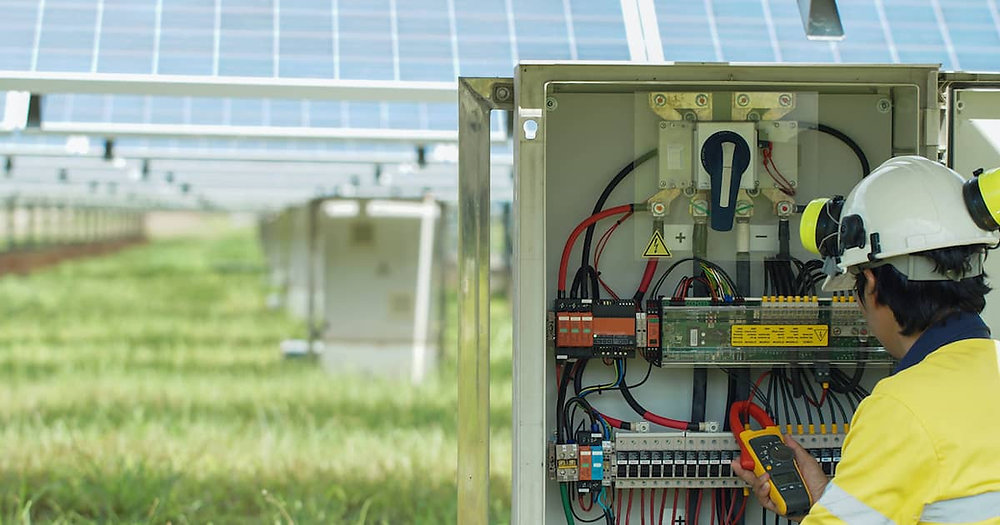
Every solar installation in California requires a building permit from the local AHJ. The permit application has to show code compliance before the building department issues the permit and schedules inspection.

State law sets the baseline across California cities and counties:
- AB 2188 requires most California cities and counties to implement an automated solar permitting platform for residential solar energy systems up to 38.4 kW. Platforms like SolarAPP+ verify code compliance and may issue an electronic permit for eligible systems.
- SB 379 established the California Energy Commission’s residential solar permit reporting program. Local governments report permit issuance data to the CEC and are directed to use streamlined procedures.
- The Solar Rights Act limits HOA restrictions on solar installations statewide.
- New residential construction must include solar under Title 24 where the mandate applies.
will not necessarily clear another.
Title 24 Compliance
Title 24 has two different workstreams.
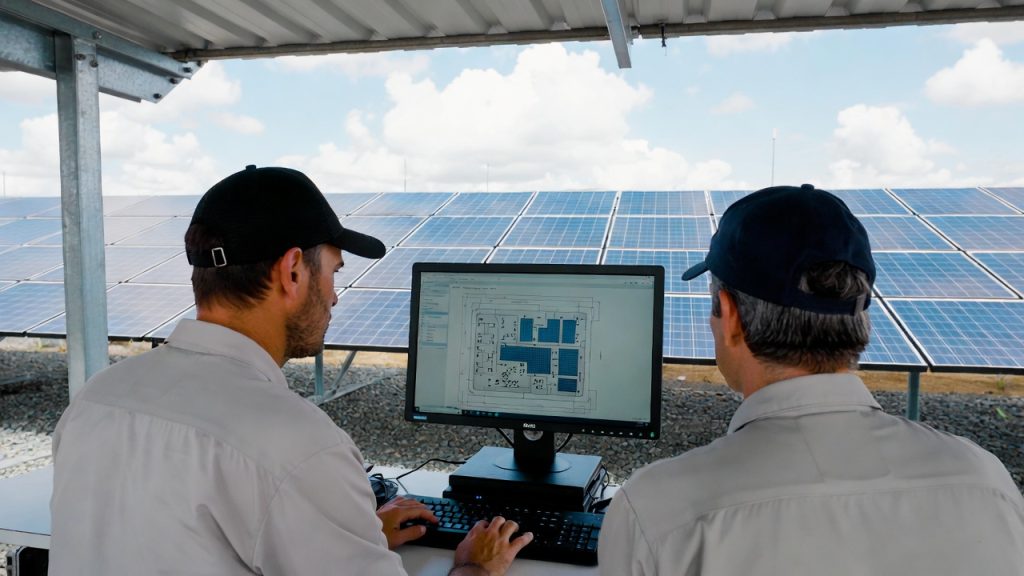
Barun’s structural designs on California projects are built to Title 24 structural and seismic provisions, including solar mounting requirements and ESS installation structural provisions. On Risk Category III work under DSA review, that includes component-level seismic calculations rather than manufacturer-rated capacities alone.
Title 24 energy compliance documentation is not in Barun’s scope. The client’s energy consultant or installer prepares those forms. Jurisdictions that enforce Title 24 energy docs still expect those forms with the permit application.
A panel upgrade can trigger a separate electrical permit and inspection.
NEM 3.0, CPUC Rule 21, and Utility Interconnection
California moved from NEM 2.0 to NEM 3.0 in 2023. NEM 2.0 design assumptions do not carry over. Energy storage co-located with solar is more common under NEM 3.0.
The building permit and the utility interconnection application are separate filings by the client or its EPC. PG&E, SCE, SDG&E, or the local public utility issues permission to operate after the permit is finaled, inspection is passed, and interconnection is approved.
CPUC Rule 21 governs interconnection with PG&E, SCE, and SDG&E. The SLD, meter configuration, and inverter specifications in the Rule 21 packet have to match the planset. Mismatches create resubmittal cycles and delay PTO.
AHJ and utility review commonly range from roughly one to three months.
City of Los Angeles
Energy storage installations face NFPA 855 fire-safety plan check. Fire code documentation is prepared by a fire protection consultant. Barun’s stamp covers structural and electrical design of the BESS, not the fire code package.
San Francisco
Detailed SLDs and extra documentation for photovoltaic systems in historic districts or on older buildings.
Other city and county building departments
Add local amendments to the California Building Standards Code and do not interpret those amendments the same way.
SB 379 and California Energy Commission Reporting
SB 379 is the CEC residential solar permit reporting program. Cities and counties report permit fees, approval timelines, and issuance data. NREL supported SolarAPP+ as a platform jurisdictions use to meet AB 2188 and SB 379 process requirements.
Frequently Asked Questions
How Long Does a Solar Permit Take in California?
Eligible residential solar systems may receive an electronic permit through SolarAPP+ or another automated platform without manual plan review. Standard plan review and utility interconnection commonly range from roughly one to three months.
What Is CPUC Rule 21?
Rule 21 is the interconnection standard for solar PV systems and storage systems on PG&E, SCE, and SDG&E. It sets SLD, meter, and inverter documentation requirements. Protection coordination is included only where the engagement includes electrical engineering scope.
What Is NEM 3.0 and How Does It Affect the Planset?
NEM 3.0 is California’s current net energy metering tariff. It changed export compensation and design assumptions from NEM 2.0. The planset has to match the NEM 3.0 system that will be interconnected.
Does California Require Title 24 Compliance for Solar?
Yes. Barun designs California structural work to Title 24 structural and seismic provisions. Title 24 energy compliance forms are prepared by the client’s energy consultant or installer and are submitted with the permit application where the jurisdiction requires them.
What Is Permission to Operate in California?
PTO is the utility’s authorization to operate the system. It comes after permit final, inspection, and interconnection approval. The client or EPC files that application.
What Triggers an Electrical Permit on a California Solar Installation?
A panel upgrade often triggers a separate electrical permit. Requirements vary by city or county and by utility.
What Is the California Solar Permitting Guidebook?
It is the OPR reference for streamlined solar permitting procedures tied to AB 2188 and SB 379. It covers plan check practice, permit fees, and permitting platform adoption for local governments.
Does Barun File the California Permit or Rule 21 Application?
No. Barun’s scope is design and engineering. The client or its contractor or EPC files both applications.