Commercial EV Charger Installation for EV Charging Stations
On this page, commercial EV charger installation means the engineering for the charging project, not field installation.
Barun Corp produces PE-sealed plansets, load calculations, and interconnection drawings for Level 2 and DC fast charging on commercial sites. The contractor installs the charging equipment. The client or its EPC files the permit and the utility application. Scope is set by the client.
What Barun covers on a commercial EV charging project
Barun’s scope is design and engineering.
- Site and stall layout on the drawings
- Electrical capacity review from the panel schedules and site data you send
- Single-line diagrams and feeder sizing
- Load calculations for Level 2 chargers and DC fast chargers
- Interconnection drawings when that package is contracted
- Structural notes for bollards, equipment pads, islands, or canopies when structural engineering is in scope. Vehicle impact protection is shown where required by the AHJ.
Utility service-upgrade coordination is not standard scope. The client, EPC, or a utility liaison runs capacity studies and infrastructure timelines with the utility. The engineer of record can supply load calculations and technical documentation to support that review when that support is contracted.
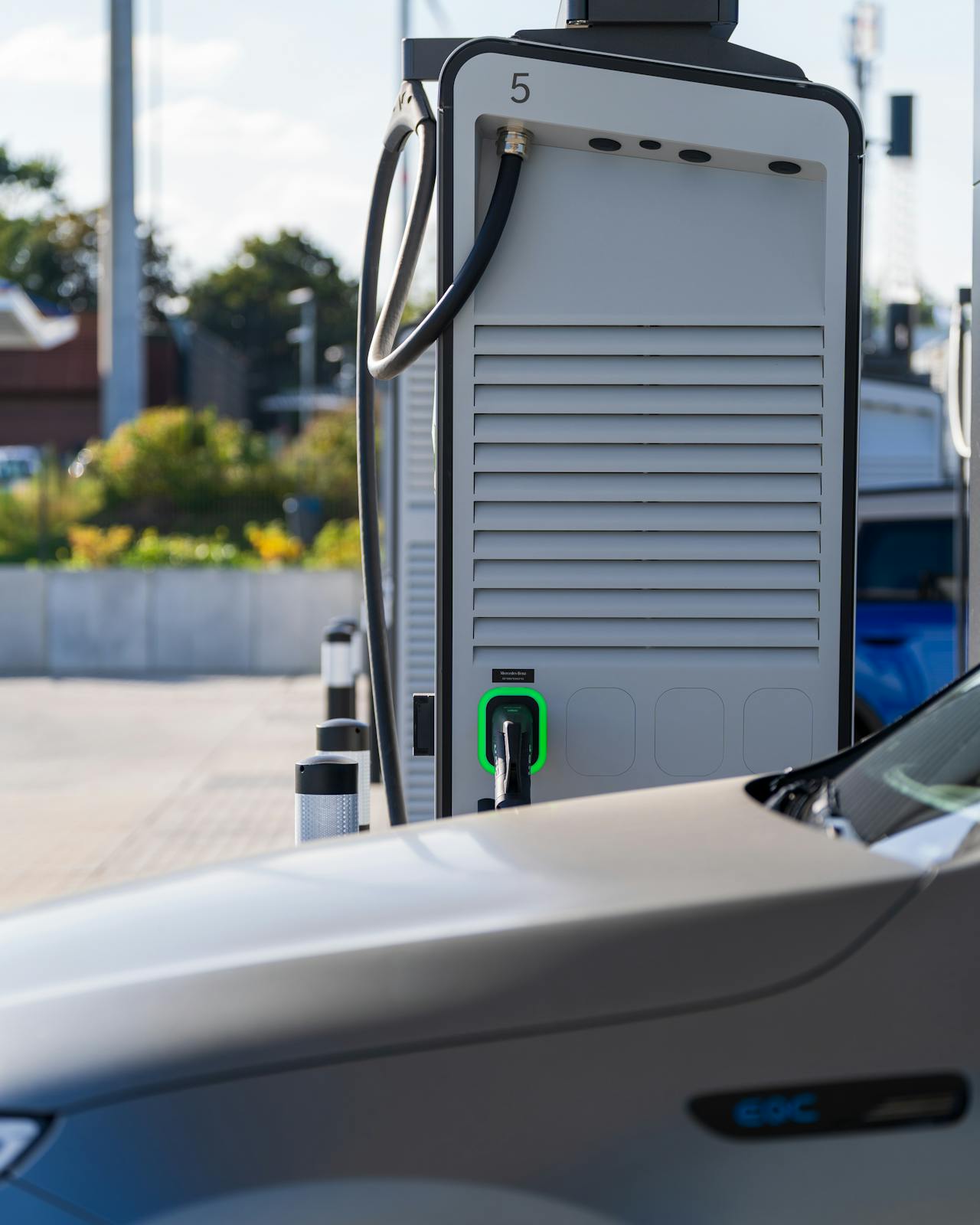
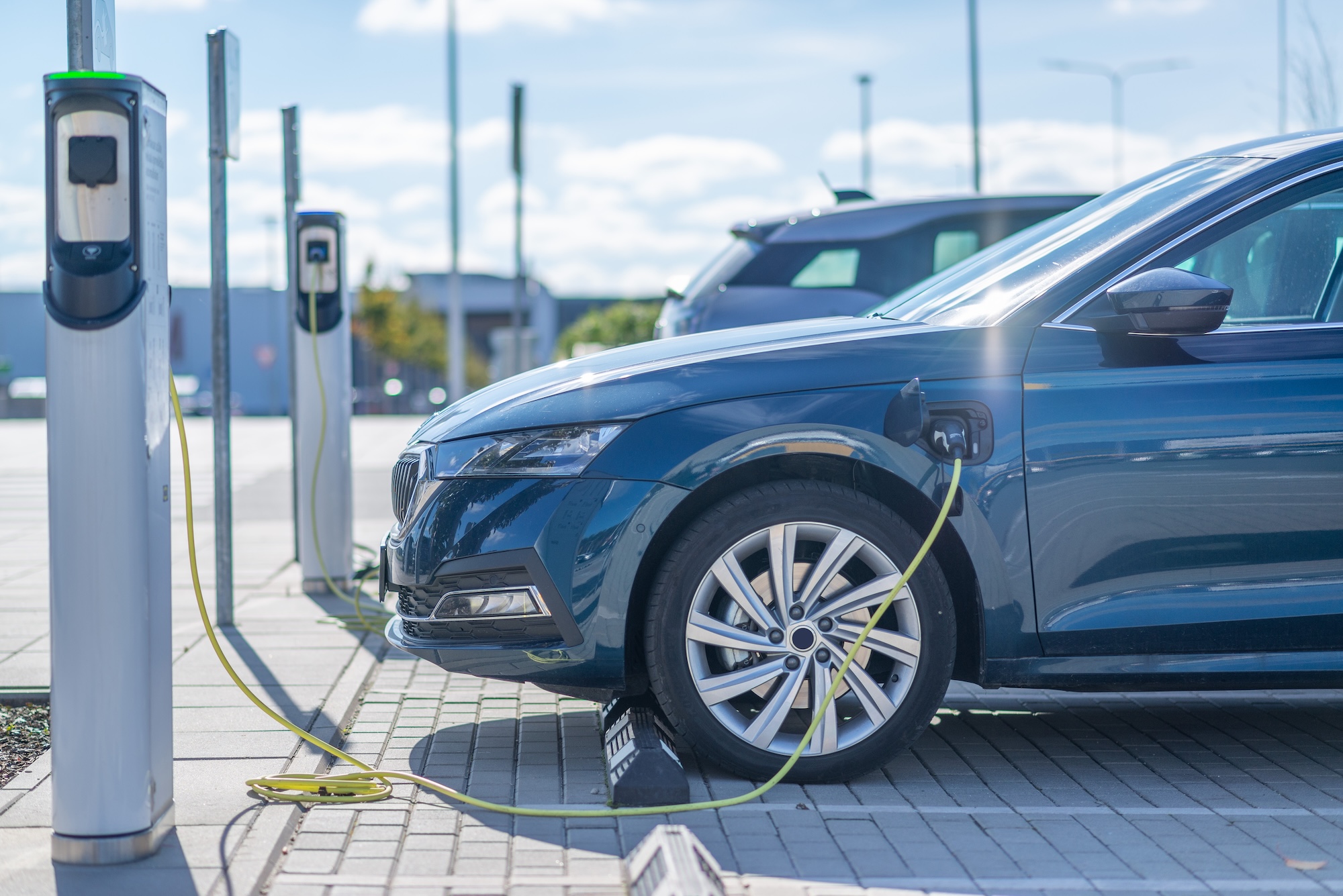
Level 2 charging and DC fast charging
Level 2 and DCFC change feeder size, panel demand, and utility review. They do not change who installs the hardware.
Level 2 commercial equipment is designed to NEC Article 625 on the electrical sheets, using the NEC edition adopted by the jurisdiction. DCFC adds higher demand and often a dedicated service or transformer discussion on the utility side.
Barun sizes the on-site electrical design to the charger list in the engagement. Barun does not select or sell charging equipment, card readers, or billing software.
A commercial EV charging station design starts with existing electrical infrastructure. Incomplete panel data is what creates drawing revisions.
One-line or panel schedules for the serving gear
Charger count, Level 2 vs DCFC mix, and nameplate ratings
Site plan with proposed charging locations
AHJ notes and utility requirements if you have them
Barun uses that data to check whether the existing service and distribution can support the proposed charging load on paper. If the numbers show a service upgrade path, that finding goes to the client. Barun does not negotiate the upgrade with the utility unless technical input is separately contracted.
Field work vs engineering
Physical installation, trenching, conduit, mounting, and commissioning are the installation partner or electrical contractor.
Barun does not perform that work and does not act as the installing electrician.
Barun’s product is the PE-sealed design the contractor builds from and the AHJ reviews.
Plansets, permits, and interconnection
The commercial EV charging planset is the drawing set the AHJ reviews.
- Site plan and equipment layout
- Electrical diagrams to the NEC edition adopted by the jurisdiction, including Article 625
- PE-sealed electrical sheets when electrical engineering is in scope
- PE-sealed structural sheets when structural engineering is in scope
- Interconnection documentation when that package is contracted
The client or EPC submits the permit application and the utility interconnection application. AHJ and utility review commonly range from roughly one to three months.
Protection coordination is included only where the engagement includes that electrical engineering scope. Arc flash is included where required by the AHJ or utility and only when that study is contracted.
Frequently Asked Questions
Does Barun install commercial EV chargers?
No. Barun designs and PE-seals the planset. The contractor performs commercial EV charger installation in the field. Barun quotes the engineering engagement only. Charger hardware, field labor, trenching, and utility upgrade cost are not in Barun’s bid.
Does Barun handle utility service upgrades?
Not as standard scope. Utility coordination and service-upgrade negotiation stay with the client or EPC. The engineer of record can provide load calculations and supporting documentation when that input is in the engagement.
What does commercial EV charging cost?
Barun prices design, calculations, and PE-sealed drawings. Installation cost, charging equipment, and utility work are separate line items on the contractor and utility side. Barun does not publish turnkey project costs.
Does Barun handle incentives or tax credits?
No. Incentive and credit filings, including refueling-property credits, are the owner’s tax or financial advisor. Barun drawings can be referenced in those packages. Barun does not prepare them.
What is included in commercial EV charging station design?
Layout drawings, electrical calculations, and PE-sealed sheets in the contracted scope. Level 2 and DCFC loads are designed to the charger list you issue. Equipment procurement and billing hardware are outside Barun’s scope.
Who files the permit for a commercial EV charging project?
The client or its EPC. Barun’s scope is design and engineering.
How long does AHJ review take?
AHJ and utility review commonly range from roughly one to three months. Design time is separate and depends on intake completeness.
Ready to Engineer Your Next Commercial Solar Project?
Avoid costly interconnection delays and compliance failures. Get PE-sealed commercial EV charger plansets and interconnection engineering done right the first time.
service area
Nationwide PE Stamped
Solar Plans