BESS Engineering: PE-Stamped Structural & Electrical Design for Battery Energy Storage
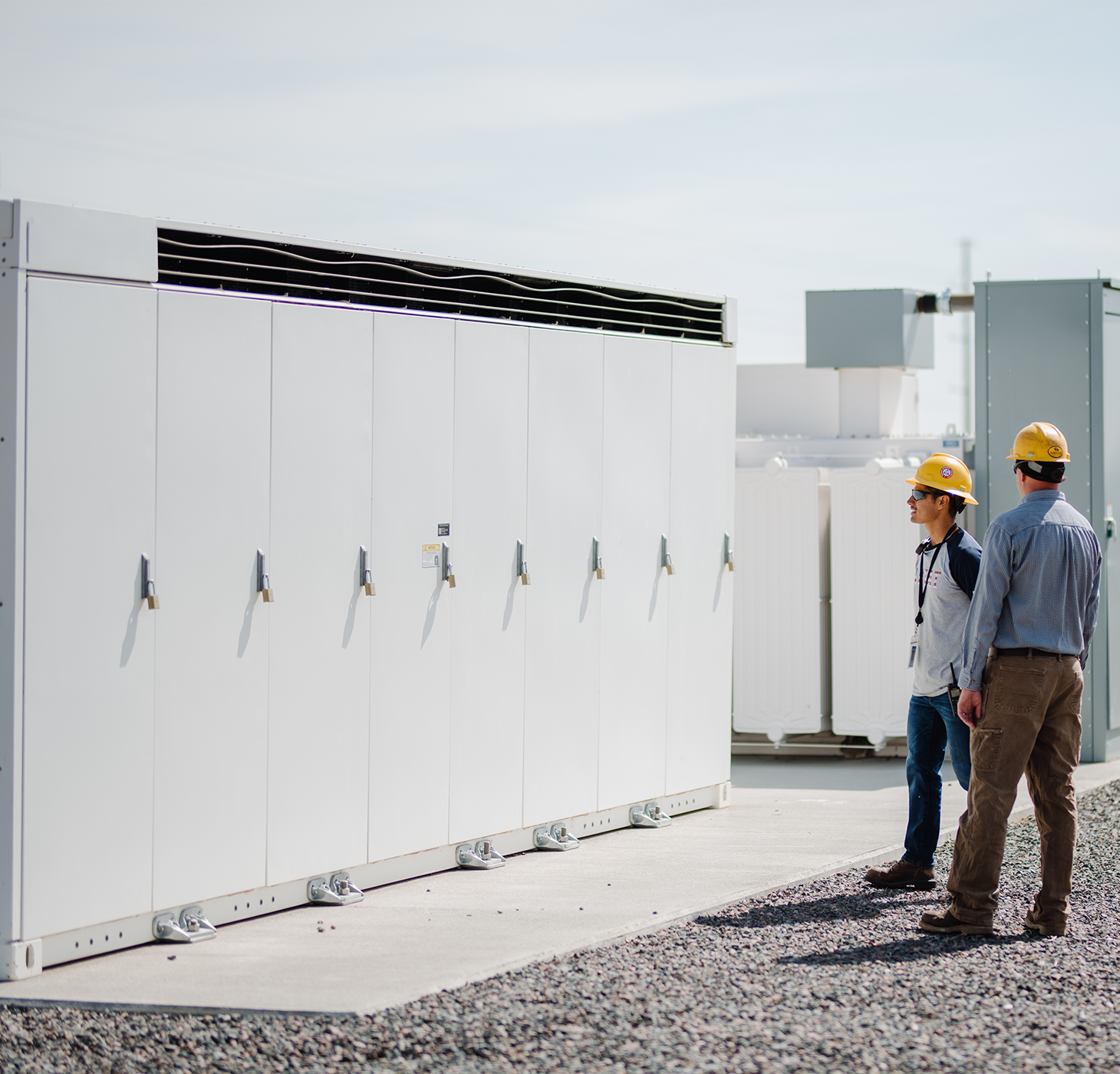
Barun Corp provides PE-stamped structural and electrical engineering for battery energy storage systems (BESS) on behind-the-meter commercial and industrial projects. Typical projects range from 500 kWh to 10 MWh, outdoor packaged and UL 9540 listed, standalone or co-located with solar.
Engineering for Reliability: NFPA 855 Compliance & Fire Safety Coordination
Energy storage integration requires specialized structural and electrical engineering, including enhanced electrical diagrams and fire safety plans. Barun prepares BESS documentation in accordance with current fire codes, including the 2025/2026 NFPA 855 updates. These drawings and calculations help support timely AHJ review process.
PE-Stamped BESS Construction & Engineering Documents
Barun supplies the following engineering components with responsive turnaround for solar and storage plan set submissions:
Electrical
- Single-line diagrams
- Electrical load calculations
- Short circuit and fault current studies
- Interconnection application design
- NEC 705 and 706 compliance
Structural
- Equipment pad and foundation design
- Anchorage to concrete per ACI 318
- Wind and seismic design per ASCE 7-22
- Equipment rack design
Plan set
- Equipment rack design
Ready to Streamline Your BESS Permitting?
Stop letting complex fire codes and rejected plan sets delay your projects. Get precision-engineered energy storage system designs, solar battery CAD, and complete permit packages delivered fast.
BESS Design Support:
BMS/EMS Integration & Fire-Code Coordination
Barun provides engineering design support for advanced BESS configurations. We prepare layouts and integration details for Battery Management Systems (BMS), Energy Management Systems (EMS), and related protection and control requirements. Our team also supports UL 9540 / UL 9540A documentation review and NFPA 855 fire-code coordination, including separation-distance and thermal-runaway considerations, to help projects move through AHJ and utility review more efficiently.

Where Barun Comes In
For solar + BESS sites, Barun delivers one combined stamped plan set by default. Separate PV and BESS sets are used when the client or AHJ prefers it, or when the system is MW-scale.
- Retrofit onto existing solar: revised single-line diagrams and anchorage for the added battery system.
- Standalone storage: full structural and electrical design.
- Interconnection design: PE-stamped single-line diagrams and site plans for the utility application. The client files the application.
Energy Storage System Design & Engineering FAQs
What is a Power Conversion System (PCS) in energy storage?
A Power Conversion System (PCS) in energy storage is the component that manages the flow of electricity between batteries and the electrical system. It converts direct current (DC) stored in batteries into alternating current (AC) used by the grid or a home. It also performs the reverse process—converting AC to DC—when charging the batteries.
What does the Battery Management System (BMS) do?
Why is thermal management critical in BESS design?
Why are Lithium Iron Phosphate (LiFePO4) batteries a standard choice?
LiFePO₄ is one of the latest battery technologies adopted across the industry and has become a preferred choice due to its stable chemistry. This chemistry inherently reduces the risks associated with thermal runaway and combustion, offers an excellent cycle life of up to 10,000 charge cycles, and does not contain toxic heavy metals such as cobalt, making it more environmentally friendly than many other lithium-ion options. Its longer lifespan also results in less waste over time. Additionally, LiFePO₄ batteries have high power density, allowing them to deliver rapid bursts of energy and operate effectively in extreme temperatures, which enhances their usability and versatility across a wide range of environments.
Permitting & Costs FAQ
Is structural review required for a commercial BESS?
It depends on the AHJ, but most commercial BESS projects need PE-stamped structural design for the equipment pads, foundations, and anchorage. Barun designs pads and anchorage per ACI 318 and wind and seismic loads per ASCE 7-22.
Do you design ESS projects in compliance with NFPA 855?
Can Barun provide stamped plans for BESS permitting?
Yes. Barun provides PE-stamped structural and electrical plan sets for behind-the-meter commercial and industrial BESS projects. The client or EPC files the permit.
Complete Project Engineering Support
Designing a compliant ESS requires flawless coordination across disciplines. Barun offers turnkey packages that combine battery engineering with Commercial PV Design, Structural Engineering, and Utility Interconnection.
service area
Nationwide PE Stamped
Solar Plans
We provide PE Stamped Solar Plans in all 50 states, plus DC and Puerto Rico. Most projects are stamped by our in-house licensed structural and electrical engineers, with external licensed engineers supporting certain states. For national clients, one coordinated team manages every plan from design through PE review, which reduces handoffs and delays.