
How Commercial Solar Companies Evaluate Engineering Partners for PE Stamping
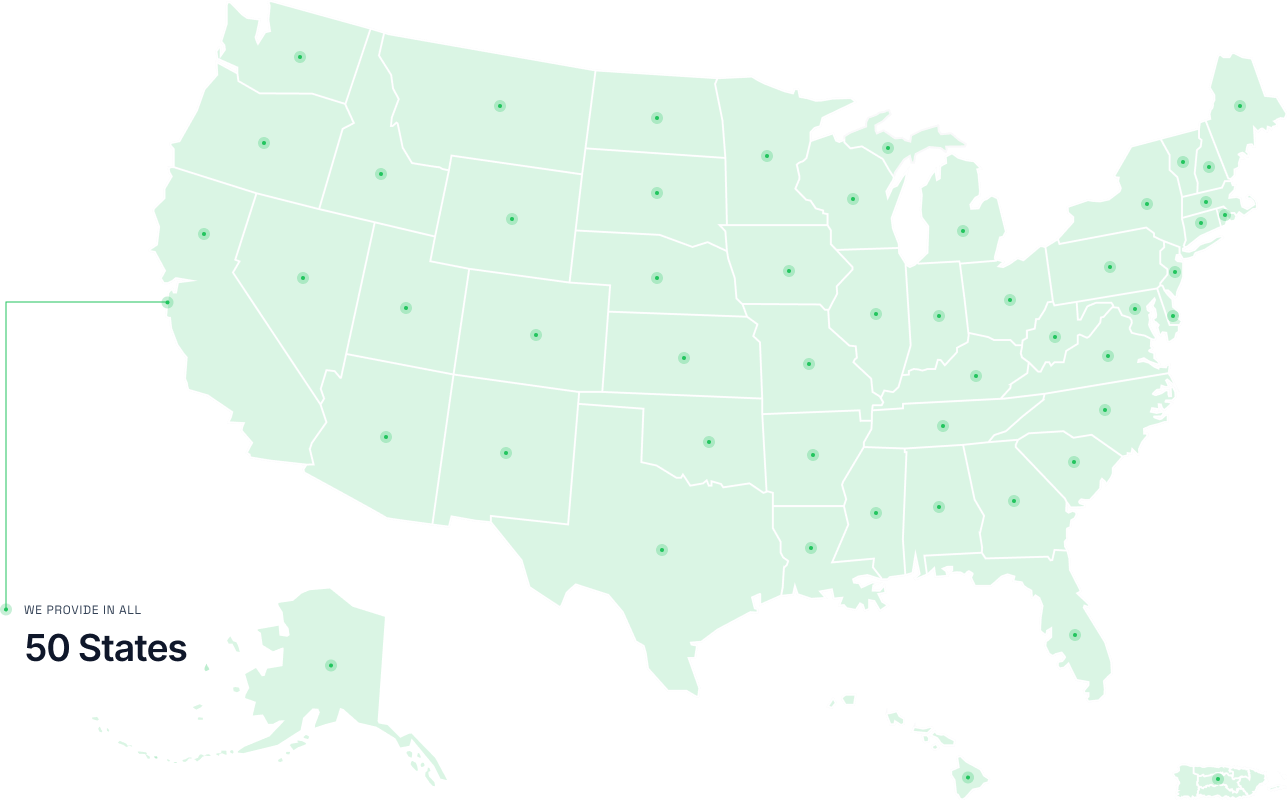
Over 27,000 solar designs produced across 50 states — trusted by installers, EPCs, and developers nationwide.
Why Engineering Matters More Than Price
The cheapest PE stamp is the most expensive one if it comes back with corrections.
A rejected permit package costs time — often weeks rather than days per resubmission cycle.
On a commercial solar installation with a financing deadline or an interconnection queue position, that delay is a material project risk.
What to Look for in a Commercial Solar Engineering Partner
Multi-state PE licensure
PE licenses are state-specific. An engineer licensed in California cannot stamp drawings for a New Jersey project. Firms that claim nationwide coverage without state-by-state PE licensure are using unlicensed signatories.
In-house structural and electrical engineers
Freelance PE networks create quality control gaps and communication delays. An in-house engineering team that owns the design process from structural analysis through electrical stamping is significantly more reliable.
AHJ experience across jurisdictions
California installations face Title 24 compliance requirements. Florida requires wind load calculations that exceed standard ASCE 7 assumptions. Illinois projects under CEJA have specific interconnection documentation requirements. An engineering partner without direct experience in the target jurisdiction will learn on your project.
Turnaround time and revision policy
An engineering partner that cannot commit to consistent turnaround times or charges excessive fees for AHJ-required revisions creates schedule risk on every project.
Carport foundations must be designed for combined loads — solar array, wind, snow, and vehicle impact. Ground mount racking requires geotechnical input for foundation design in most jurisdictions. Commercial solar companies that use residential-grade engineering packages for carport and ground mount projects consistently encounter structural corrections that delay permits and create construction liability.
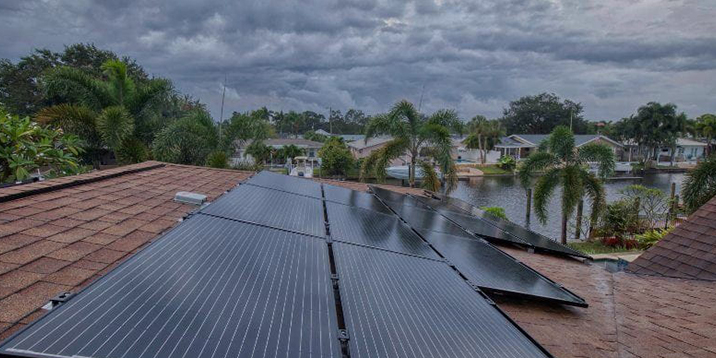
Virginia Commercial Rooftop, 53.46 kW (Dominion Energy)
AHJ required truss capacity verification and concentrated load analysis for the ballast tray system after the interconnection application was already on file. Requirements hadn't been enforced in that jurisdiction on prior commercial solar projects.
- Supplemental point load analysis resolved comments without changes to the electrical plan set
- Queue position preserved
- Active jurisdictional tracking made a fast response possible
EPC and Developer Engineering Requirements
- PE stamped structural and electrical drawings
- Signed engineering report
- Completed interconnection agreement
- As-built documentation
The Business Case for Quality Engineering
Why Barun Corp
Barun Corp is a PE licensed structural and electrical engineering firm serving commercial solar installers, EPCs, and developers across all 50 states. Every stamped deliverable is sealed by an in-house licensed PE.
Contact our engineering team to discuss your commercial solar project requirements.
Frequently Asked Questions
Does a commercial solar company need a separate PE engineering firm?
What is the difference between a commercial solar installer and a commercial solar engineering firm?
How do commercial solar companies handle multi-state PE licensing?
What engineering deliverables does a commercial solar project require for financing?
How long does commercial solar PE stamping take?
Standard commercial rooftop packages are typically delivered within 3-5 business days where project scope and complexity allow. Ground mount and carport structures with full foundation design require additional time. Contact Barun for a project-specific turnaround commitment.